
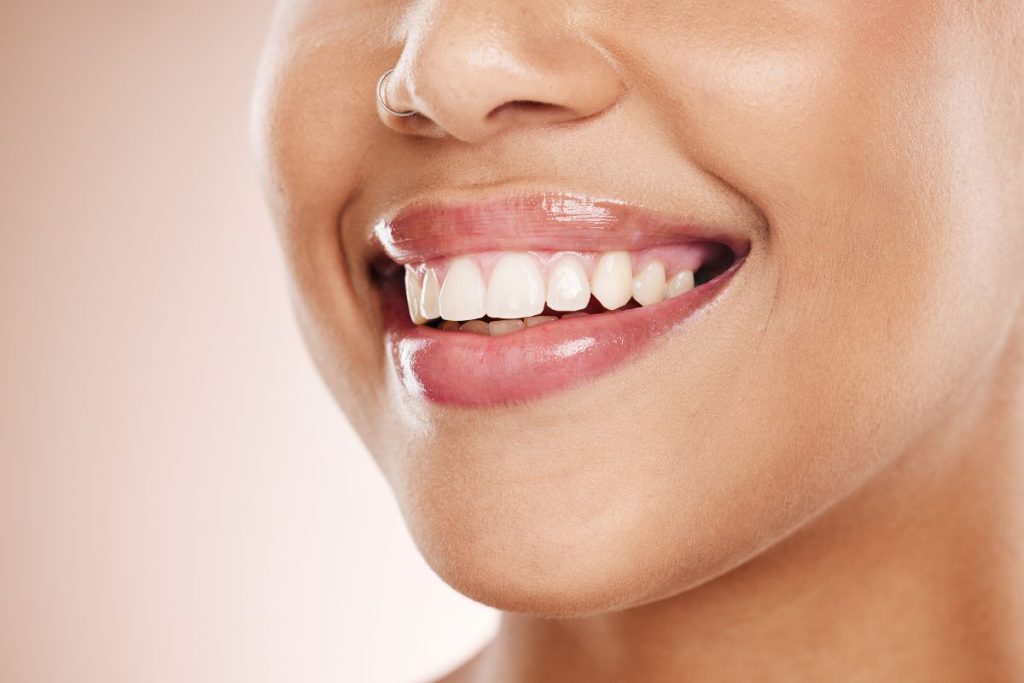
Have your teeth started looking more yellow or stained than they used to? Even if you brush twice a day and maintain a good oral hygiene routine, your smile can gradually lose some of its brightness. Coffee, tea, certain foods, tobacco, and natural changes in tooth color can all contribute to discoloration over time.
The good news is that stained teeth do not always require complicated treatment. Depending on the cause of the discoloration and the condition of your teeth and gums, professional whitening may be an option. If you are considering teeth whitening treatment in Twin Falls, Green Acres Family Dentistry can help you understand your options and determine whether whitening is appropriate for your smile.
But how do you know when it is time to consider treatment? Here are seven signs to watch for and what they may mean for your dental health.
7 Signs You Need Teeth Whitening
1. Your Teeth Look More Yellow Than Before
One of the most noticeable signs you need teeth whitening is a gradual change from a brighter shade to a more yellow appearance.
Your teeth have several layers. The outer enamel is relatively translucent, while the dentin underneath naturally has a yellowish color. As enamel wears down over time, the underlying dentin may become more noticeable. Surface stains can also make teeth appear darker.
Professional whitening may help with certain types of discoloration, but not every yellow tooth responds the same way. If the color change is sudden, affects only one tooth, or occurs alongside pain, arrange a dental evaluation before considering whitening.
2. Coffee, Tea, or Red Wine Has Left Visible Stains
Do you enjoy your morning coffee, a cup of tea in the afternoon, or other deeply colored beverages? These everyday favorites can contribute to tooth staining over time.
Pigments in coffee, tea, red wine, and some other foods and drinks can accumulate on the tooth surface. The result may be a smile that looks less bright, even when your teeth feel clean.
Try drinking water after consuming staining beverages and maintaining consistent brushing and flossing habits. Reducing how frequently you sip dark beverages throughout the day may also help limit repeated exposure.
If stains remain despite good home care, professional whitening may help lighten them. A dental professional can also determine whether a routine cleaning is the more appropriate first step.
3. Your Teeth Still Look Dull After Brushing
Brushing removes plaque and helps maintain oral health, but it cannot remove every type of discoloration. Some stains become more persistent over time, while changes beneath the enamel may affect the natural shade of your teeth.
If your smile continues to look dull after brushing, consider what might be causing the change.
A professional dental cleaning can remove plaque, tartar, and certain external stains. Whitening works differently: it uses bleaching agents to lighten suitable tooth discoloration. Your dentist can help determine which approach, if either, is best for your situation.
Remember that healthy teeth do not have to be perfectly white. Natural tooth color varies from person to person.
4. Your Smile Looks Uneven in Color
Another possible sign is noticing that some teeth appear darker or more yellow than others.
Uneven coloration can develop for several reasons. Some teeth may accumulate more surface staining, while others may have differences in enamel thickness or previous dental restorations. A single dark tooth can sometimes indicate trauma or another dental concern.
Whitening may improve certain types of uneven staining, but it does not change the color of crowns, veneers, fillings, or other tooth-colored restorations. Whitening can therefore make existing restorations more noticeable if their shades no longer match your natural teeth.
Before starting treatment, have your dentist evaluate the discoloration. This is particularly important if one tooth has become darker without an obvious explanation.
5. You Notice Stains That Do Not Respond to Home Care
Whitening toothpaste, whitening strips, and other over-the-counter products can be convenient, but their effectiveness varies depending on the ingredients and the type of stain.
Whitening toothpastes primarily help remove some surface stains. Products containing bleaching agents may lighten certain types of discoloration, but results and sensitivity risks vary.
If you have followed product instructions and still notice persistent staining, professional guidance can help you avoid repeatedly trying products that may not address the underlying cause.
Your dentist may recommend a cleaning, professional whitening, or another approach based on the examination. Brown, gray, or deep internal discoloration may need a different treatment rather than stronger whitening products.
6. You Feel Self-Conscious About Your Smile
Sometimes, the biggest sign is not a particular shade of yellow but how you feel about your smile.
You might avoid smiling in photographs, cover your mouth when laughing, or feel uncomfortable during conversations because you are concerned about visible stains. If tooth discoloration is affecting your confidence, it is reasonable to explore your options.
Professional whitening is a cosmetic treatment, not a requirement for healthy teeth. You should never feel that your natural tooth color needs to meet a particular standard.
During a consultation, discuss the changes you would like to see, your expectations, and any concerns about sensitivity. Your dentist can explain whether whitening is suitable and what kind of improvement may be realistic.
7. You Have an Upcoming Event and Want a Brighter Smile
A wedding, graduation, family gathering, or professional event may prompt you to pay closer attention to your smile.
If you are considering whitening before a special occasion, plan ahead rather than waiting until the last minute. Your dentist can assess your teeth, discuss available options, and help you understand the possible timeline.
Some people experience temporary tooth sensitivity or gum irritation after whitening. Results also vary according to the cause of discoloration, the product used, and individual dental characteristics.
Give yourself enough time to address any dental concerns before cosmetic treatment. If you have untreated cavities, gum inflammation, or unexplained tooth pain, those issues should be evaluated first.
Is Professional Teeth Whitening Better Than At-Home Whitening?
The right option depends on your dental health, the type of staining, your preferences, and your budget.
Professional whitening offers the benefit of a dental evaluation before treatment. Your dentist can check for problems that may need attention and recommend an appropriate whitening method. Depending on the treatment, professional options may also offer a different concentration of whitening ingredients than many over-the-counter products.
At-home products may be suitable for some people, but they should be used according to their instructions. Using products too frequently or leaving them on longer than directed can increase the risk of sensitivity and gum irritation.
Neither option guarantees a particular shade of white. Some discoloration responds better than others, and existing dental restorations will not whiten along with natural teeth.
How Can You Help Keep Your Teeth White?
Once you have addressed staining, everyday habits can help maintain your smile.
- Brush twice daily: Use fluoride toothpaste and a soft-bristled toothbrush.
- Floss every day: Clean between your teeth to help remove plaque and food debris.
- Drink water regularly: Water can help rinse away some food and beverage residue.
- Be mindful of staining drinks: Coffee and tea do not have to disappear from your routine, but limiting prolonged sipping may help.
- Keep up with dental visits: Regular examinations and professional cleanings help maintain oral health and identify concerns early.
- Avoid tobacco: Tobacco products can stain teeth and negatively affect oral health.
You can also explore our guide to winter foods to keep your teeth white for more practical tips on maintaining a brighter-looking smile. Remember that no particular food can replace brushing, flossing, and regular dental care.
Frequently Asked Questions
How do I know if I need professional teeth whitening?
Persistent yellowing, visible surface stains, and discoloration that remains after good oral hygiene may be reasons to discuss whitening with your dentist. An examination can help determine whether the discoloration is suitable for whitening or needs another treatment.
How long does professional teeth whitening last?
Results vary depending on the whitening method, the original tooth color, and habits such as drinking coffee or tea and using tobacco. Good oral hygiene and periodic dental care may help maintain results, but whitening is not permanent.
Does teeth whitening cause sensitivity?
Some people experience temporary tooth sensitivity or gum irritation during or after whitening. The likelihood depends on the product, its concentration, how it is used, and individual dental health. Talk with your dentist if you already have sensitive teeth.
Can whitening remove every type of tooth stain?
No. Whitening may help with many stains, but some deep discoloration may respond poorly. Crowns, veneers, fillings, and other restorations do not whiten like natural teeth. A dental evaluation can help identify suitable alternatives when whitening is unlikely to achieve the desired result.
Should I whiten my teeth before getting dental crowns or veneers?
Discuss whitening with your dentist before choosing the shade of new crowns or veneers. Since restorations do not respond to whitening agents, completing any appropriate whitening beforehand may help your dentist plan a better shade match.
Get Guidance on Teeth Whitening in Twin Falls
A brighter smile starts with understanding what is causing your tooth discoloration. Whether you have noticed yellowing, persistent stains, or uneven tooth color, the right next step depends on your individual dental health and goals.
Green Acres Family Dentistry can help you explore appropriate options and understand whether professional whitening may be right for you. If you are ready to discuss your smile, contact the practice to arrange a dental appointment.
You can also see what patients are saying on Google to find out more about the practice.