
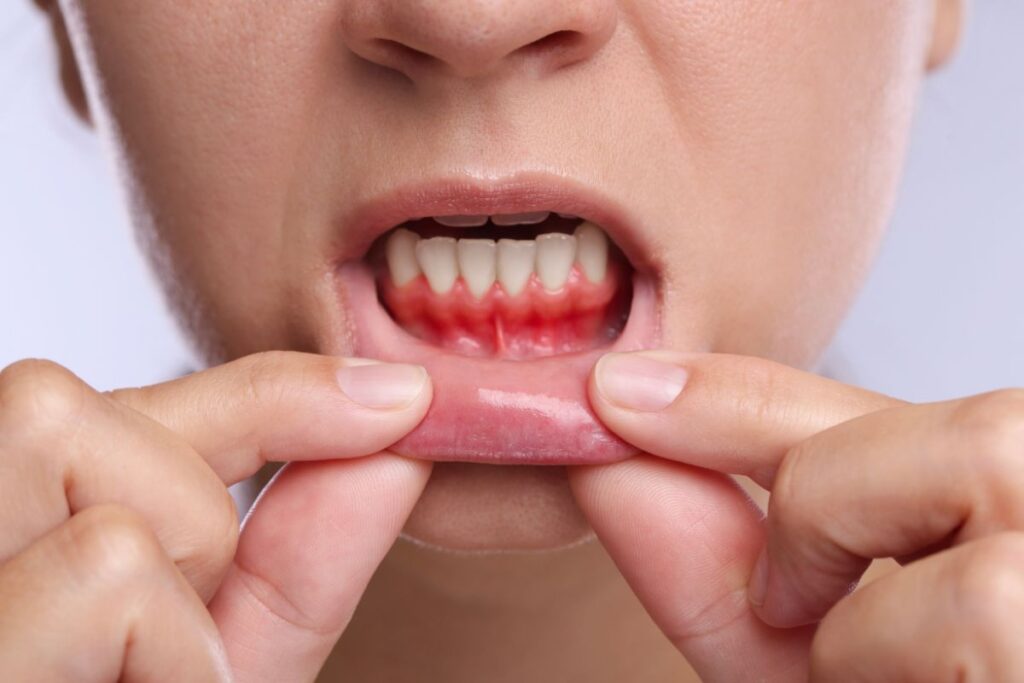
Bleeding when you brush, swollen gums, persistent bad breath, or tenderness around your teeth may seem like minor problems. But these can be early warning signs of gum disease. Without appropriate care, the condition can progress beyond the gums and begin affecting the tissues and bone that support your teeth.
Understanding the effects of gum disease can help you recognize changes in your mouth and seek care before the problem becomes more difficult to manage. If you are concerned about your gums, learning about periodontal care from a periodontist in Twin Falls can also help you understand what treatment options may be appropriate for your situation.
Quick Answer
The effects of gum disease can range from red, swollen, or bleeding gums to gum recession, persistent bad breath, painful chewing, bone loss, loose teeth, and, in advanced cases, tooth loss. Gingivitis may be reversible, while periodontitis can permanently damage the bone and tissues supporting the teeth and requires professional management.
How Does Gum Disease Start?
Gum disease generally begins when plaque, a sticky film containing bacteria, builds up around the teeth and along the gumline. If plaque is not removed regularly, it can harden into tartar, which cannot be removed with ordinary brushing and flossing.
The earliest stage is called gingivitis. At this point, the gums may become red, swollen, tender, or more likely to bleed. Gingivitis is generally reversible with appropriate oral hygiene and professional dental care.
If inflammation and infection progress, gum disease can develop into periodontitis. This more advanced form can damage the tissues and bone that hold teeth in place. Unlike gingivitis, damage caused by periodontitis cannot simply be reversed, although professional treatment can slow and manage the disease.
5 Important Effects of Gum Disease
1. Red, Swollen, and Bleeding Gums
One of the earliest noticeable effects is a change in the gums. Healthy gums generally should not bleed simply because you brush or clean between your teeth.
Redness, swelling, tenderness, and bleeding can indicate inflammation. While occasional irritation can have other causes, repeated bleeding is worth discussing with a dental professional rather than simply ignoring it.
2. Gum Recession and Sensitive Teeth
As periodontal disease progresses, the gums can pull away from the teeth. This is known as gum recession.
When more of the tooth surface or root becomes exposed, some people experience increased sensitivity, particularly when eating or drinking something hot, cold, sweet, or acidic. Receding gums can also change the appearance of your smile.
3. Damage to the Bone Supporting Your Teeth
This is one of the more serious effects of advanced gum disease.
Periodontitis can affect the bone surrounding and supporting the teeth. As supporting structures are damaged, teeth may become loose or shift position. Dental X-rays and periodontal examinations can help a dental professional evaluate whether bone loss has occurred.
4. Loose Teeth and Difficulty Chewing
Your gums and jawbone play an important role in keeping your teeth stable. When periodontal disease damages those supporting structures, teeth may become loose or chewing may become uncomfortable.
You may also notice that your bite feels different or that certain foods are more difficult to chew. These changes should not be dismissed as a normal part of getting older.
5. Tooth Loss
In advanced cases, gum disease can contribute to tooth loss. Periodontitis damages the structures that support teeth, and severe disease may eventually leave a tooth too unstable to remain in place. The CDC identifies periodontitis as a leading cause of tooth loss.
This is why treating gum problems early matters. The goal is not simply to make the gums look healthier—it is also to protect the structures that help keep your natural teeth functioning.
Other Warning Signs to Watch For
Gum disease does not always cause significant discomfort in its early stages. That is one reason regular dental examinations are important.
Possible warning signs include:
- Gums that bleed during brushing or flossing
- Red, swollen, or tender gums
- Persistent bad breath
- Gums pulling away from the teeth
- Loose or sensitive teeth
- Pain or discomfort while chewing
- Changes in how your teeth fit together when you bite
- Changes in the fit of a partial denture
If you notice one or more of these symptoms, a dental examination can help determine whether gum disease is present and how advanced it may be.
What Can Increase Your Risk of Gum Disease?
Several factors can increase the likelihood or severity of periodontal disease. These include inadequate plaque removal, tobacco use, diabetes, certain medications or medical conditions, genetics, stress, and hormonal changes.
Smoking is particularly important because tobacco use is strongly associated with severe gum disease and can also interfere with healing.
If you have diabetes, maintaining both oral and overall health is especially important. Diabetes is associated with a higher risk of periodontal disease, and gum disease may also make blood sugar management more difficult.
How Is Gum Disease Treated?
Treatment depends on the type and severity of gum disease.
For early gingivitis, improving daily brushing and cleaning between the teeth, along with professional dental cleanings, may help control inflammation. Once tartar has formed, professional cleaning is necessary because brushing and flossing cannot remove hardened tartar.
For periodontitis, treatment may include scaling and root planing, sometimes called a deep cleaning. This involves removing plaque and tartar from affected tooth surfaces, including areas below the gumline. Depending on the severity of the disease, medication or additional periodontal procedures may also be considered.
You can also learn more about the importance of periodontal treatment to better understand why addressing gum disease early can be an important part of protecting your oral health.
What Can You Do to Protect Your Gums?
Daily habits make a meaningful difference in preventing and managing gum disease.
Try to:
- Brush your teeth twice a day with fluoride toothpaste.
- Clean between your teeth every day using floss or another interdental cleaner recommended for you.
- Keep regular dental examination and professional cleaning appointments.
- Avoid tobacco products.
- Tell your dental team about medical conditions and medications that may affect your oral health.
- Pay attention to persistent bleeding, swelling, recession, or changes in your teeth.
Good home care does not replace professional evaluation when gum disease is suspected. Your dental team can identify problems that may not be obvious when you look in the mirror.
Gum Disease Treatment in Twin Falls
If you live in Twin Falls and have noticed bleeding gums, gum recession, persistent bad breath, loose teeth, or other changes, consider scheduling an evaluation with Green Acres Family Dentistry.
The sooner a potential periodontal problem is identified, the sooner you can discuss appropriate care and ways to protect your gums and supporting teeth. You can also read reviews from local patients on Google to get a better sense of their experiences with Green Acres Family Dentistry.
Frequently Asked Questions
Can gum disease affect your teeth?
Yes. As gum disease progresses to periodontitis, it can damage the tissues and bone supporting the teeth. This can contribute to tooth sensitivity, loose or shifting teeth, difficulty chewing, and eventually tooth loss in severe cases.
Can gum disease go away on its own?
Early gingivitis can often be reversed with improved oral hygiene and professional dental care. Periodontitis is different: existing supporting-tissue and bone damage cannot simply be reversed, so professional treatment and ongoing maintenance may be necessary to manage the condition.
Is bleeding when brushing always a sign of gum disease?
Bleeding gums can be a warning sign of gum inflammation and should not routinely be ignored. Gum disease is one possible cause, but a dental professional needs to evaluate your individual symptoms to determine what is happening.
Can gum disease cause loose teeth?
Yes. Advanced periodontitis can damage the tissues and bone that support teeth. As this support is lost, teeth may become loose or shift position.
How can I prevent gum disease?
Brush twice daily, clean between your teeth every day, avoid tobacco, maintain regular dental visits, and follow any personalized recommendations from your dental team. These habits can help prevent or manage gum disease.
Protect Your Teeth by Taking Care of Your Gums
Healthy teeth depend on healthy supporting tissues. The effects of gum disease can begin with something as easy to overlook as bleeding while brushing, but advanced periodontal disease can affect the gums, bone, tooth stability, and ultimately your ability to keep your natural teeth.
If you are experiencing signs of gum disease in Twin Falls, don’t wait for the problem to become painful before having it evaluated. Green Acres Family Dentistry can help you understand what may be happening and discuss appropriate periodontal care based on your individual oral health needs.