
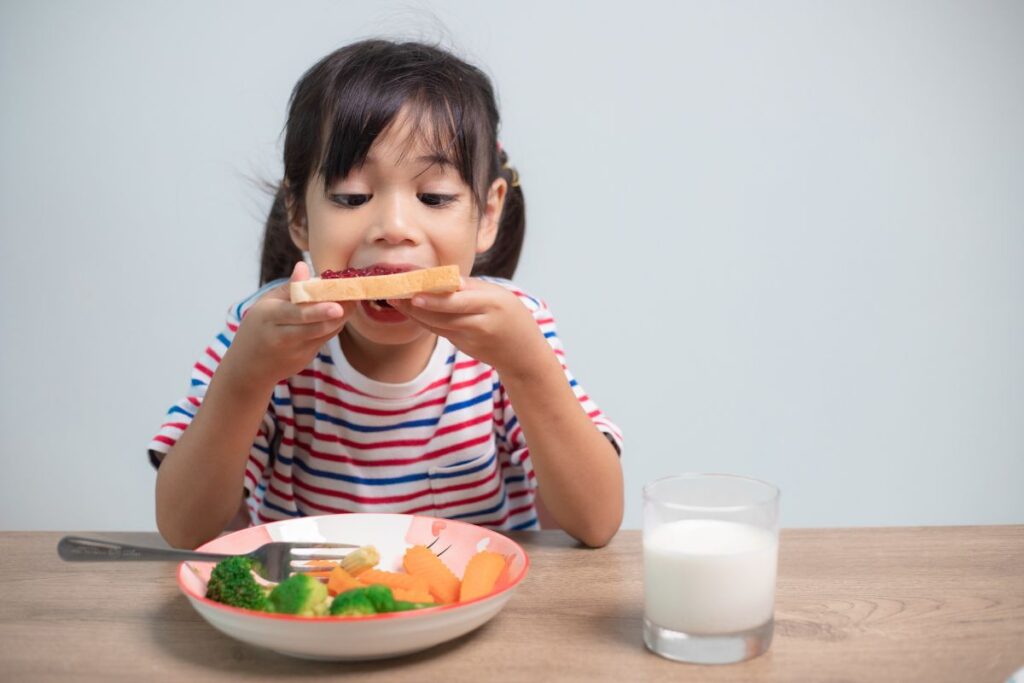
A healthy smile starts long before your child sits in the dentist’s chair. The foods they eat every day play an important role in preventing cavities, strengthening tooth enamel, and supporting healthy gums. Choosing the right foods for healthy kids teeth can help reduce dental problems while encouraging lifelong oral health habits.
At Green Acres Family Dentistry in Twin Falls, ID, we believe prevention begins at home. Along with regular dental checkups, a balanced diet gives children the nutrients they need for strong, healthy teeth. If you’re looking for expert guidance on kid’s dental care in Twin Falls, our team is here to help your family build healthy routines that last.
Quick Answer
The best foods for healthy kids teeth include dairy products, crunchy fruits and vegetables, lean proteins, whole grains, nuts when age-appropriate, and water. These foods provide important nutrients for developing teeth, support healthy gums, and help reduce frequent exposure to sugars and acids that can contribute to tooth decay.
Why Diet Matters for Your Child’s Oral Health
Children’s teeth are constantly developing, making nutrition especially important during their growing years. Every meal and snack can affect their oral health.
A tooth-friendly diet can help:
- Build and maintain strong tooth enamel
- Reduce the risk of cavities
- Support healthy gums
- Provide nutrients needed for growing teeth and bones
- Encourage healthy eating habits
- Reduce frequent exposure to added sugars
On the other hand, sugary snacks and acidic drinks can increase the risk of tooth decay. Bacteria in dental plaque use sugars to produce acids that attack tooth enamel. Over time, repeated acid exposure can weaken enamel and contribute to cavities.
Best Foods for Healthy Kids Teeth
Parents don’t have to eliminate every treat from their child’s diet. Instead, focus on offering nutritious foods more often and limiting sugary choices.
Dairy Products
Milk, cheese, and plain yogurt are excellent choices for growing children. They provide calcium and phosphorus, nutrients that help support strong teeth and bones.
Cheese can also stimulate saliva production. Saliva plays an important role in protecting teeth by helping wash away food particles and neutralizing acids in the mouth.
Crunchy Fruits and Vegetables
Fresh fruits and vegetables such as apples, carrots, celery, and cucumbers can be nutritious snack choices. Their crunchy texture can encourage chewing and saliva flow.
Good options include:
- Apples
- Carrots
- Celery
- Cucumbers
- Bell peppers
These foods also provide vitamins and other nutrients that support overall health.
Leafy Greens
Spinach, kale, and broccoli contain valuable nutrients that support healthy teeth and gums. Adding leafy greens to meals can be an easy way to improve your child’s overall diet.
Try mixing spinach into eggs, adding broccoli to pasta, or serving kale in a smoothie.
Lean Proteins
Eggs, chicken, turkey, fish, and beans provide protein and other nutrients that support children’s growth and development.
Some protein-rich foods also contain phosphorus, a mineral involved in maintaining healthy teeth and bones.
Whole Grains
Whole-grain bread, oatmeal, brown rice, and other minimally processed grains can be healthier alternatives to highly processed, sugary foods.
When choosing packaged foods, parents should check nutrition labels for added sugars and choose options with less added sugar when possible.
Water
Water is one of the best drinks for children’s teeth.
It can help:
- Rinse away food particles
- Reduce the amount of sugar left in the mouth
- Support normal saliva production
- Keep children hydrated
If your local drinking water is fluoridated, drinking water can also contribute to regular fluoride exposure, which helps strengthen tooth enamel and prevent cavities.
Foods and Drinks That Can Harm Children’s Teeth
Some foods are more likely to contribute to tooth decay, particularly when children consume them frequently.
Parents should limit:
- Sticky fruit snacks
- Gummies
- Hard candy
- Cookies
- Sugary cereals
- Soda
- Sports drinks
- Sweetened beverages
Sticky foods can remain on teeth for longer periods, while sugary drinks can expose teeth to sugar repeatedly when consumed throughout the day.
This doesn’t mean children can never enjoy sweets. Instead, consider serving occasional treats with meals rather than allowing frequent snacking throughout the day. Encourage children to drink water afterward.
Healthy Snack Ideas Kids Will Actually Enjoy
Healthy snacks don’t have to be boring. Try offering a mix of familiar favorites and new foods.
Smile-friendly snack ideas include:
- Apple slices with peanut butter
- Cheese cubes
- Plain yogurt with fresh berries
- Baby carrots with hummus
- Whole-grain crackers with cheese
- Hard-boiled eggs
- Banana slices
- Unsweetened applesauce
- Cottage cheese with peaches
For younger children, always choose foods that are appropriate for their age and development to reduce choking risks.
Eating Habits That Protect Young Smiles
It’s not only what children eat that matters. How often they eat can also affect their teeth.
Frequent snacking gives bacteria in plaque more opportunities to use sugars and produce acids that can affect enamel.
Helpful habits include:
- Offering regular meals and planned snacks
- Limiting constant grazing
- Choosing water between meals
- Brushing twice daily with fluoride toothpaste
- Flossing between teeth once daily when teeth touch
- Scheduling regular dental checkups
Parents can also help younger children brush effectively. Most children need supervision and assistance with brushing until they have the coordination to do it properly on their own. For more helpful guidance on building healthy habits early, learn more about preventive dental care for children and why regular dental visits are an important part of protecting your child’s smile.
Signs Your Child May Need a Dental Visit
Diet is only one part of your child’s oral health. Parents should also watch for signs that may indicate a dental problem.
Contact your child’s dentist if you notice:
- Frequent cavities
- Tooth sensitivity
- White or brown spots on teeth
- Persistent bad breath
- Swollen or bleeding gums
- Tooth discoloration
- Pain when eating or drinking
- Difficulty chewing
A dental professional can examine your child’s teeth and recommend appropriate care. Early evaluation can help identify problems before they become more complicated.
Helping Parents Build Healthy Dental Habits at Home
Parents have a major influence on their child’s oral health. Small daily choices can make a meaningful difference over time.
Try these simple strategies:
- Keep sugary snacks as occasional treats
- Pack nutritious foods for school
- Offer water instead of sugary drinks
- Establish consistent brushing and flossing routines
- Avoid putting children to bed with sugary drinks
- Encourage children to make healthy food choices
- Schedule regular dental examinations
The goal isn’t perfection. It’s creating consistent habits that support your child’s smile as they grow.
Frequently Asked Questions
How do healthy foods prevent cavities?
Healthy foods can support stronger teeth and healthier gums while reducing children’s exposure to added sugars. Foods such as cheese, vegetables, whole grains, and lean proteins provide important nutrients. Drinking water also helps rinse food particles from the mouth and is a better everyday choice than sugary beverages.
What drinks are best for children’s teeth?
Water is generally the best everyday drink for children’s teeth. Plain milk is another nutritious option because it provides calcium and other nutrients. Sugary drinks, including soda, sports drinks, and sweetened beverages, should be limited because frequent sugar exposure can increase the risk of tooth decay.
Are fruit juices bad for kids’ teeth?
Fruit juice can contain significant amounts of natural sugar and may also be acidic. Even 100% fruit juice should be offered in moderation. Water is a better choice for regular hydration. When juice is served, offering it with a meal rather than sipping it throughout the day can help reduce prolonged exposure.
How often should children visit the dentist?
Many children benefit from dental checkups about every six months, although the ideal schedule depends on their individual oral health needs. Regular visits allow the dental team to monitor tooth development, identify early signs of decay, provide preventive care, and answer parents’ questions about brushing, nutrition, and oral hygiene.
Can snacks affect my child’s teeth?
Yes. Frequent snacks that are high in sugar or stick to the teeth can increase the amount of time teeth are exposed to cavity-causing acids. Choosing snacks such as cheese, vegetables, plain yogurt, or fresh fruit and offering water between meals can support better oral health.
Conclusion
Healthy smiles begin with healthy daily choices. Adding more foods for healthy kids teeth to your child’s diet while limiting sugary snacks and drinks can help support strong teeth and healthy gums.
Good nutrition works best alongside consistent brushing, daily flossing, fluoride use, and regular dental visits. Together, these habits give children a strong foundation for lifelong oral health.
If you’re looking for trusted pediatric dental care in Twin Falls, the team at Green Acres Family Dentistry is ready to help your family protect and maintain healthy smiles.
Call Green Acres Family Dentistry at +1 2089289033 to schedule your child’s next dental appointment and take the next step toward better oral health.
Want to stay informed about helpful dental tips, office updates, and patient experiences? See what local patients are saying on Google(opens in new tab), explore recent updates, and learn more about how Green Acres Family Dentistry serves families throughout Twin Falls.