
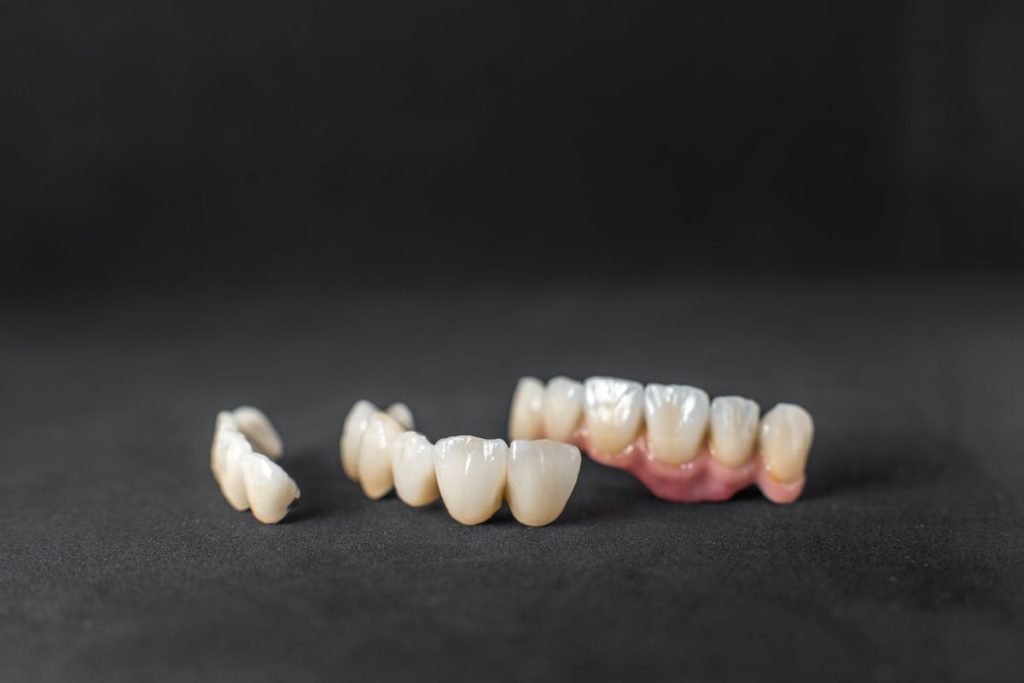
A dental crown can restore a damaged tooth, protect weakened tooth structure, and make everyday activities like chewing more comfortable. But crowns don’t last forever. Over time, normal chewing, teeth grinding, changes in your gums, and general wear can affect how well a crown fits and functions.
So, how long do dental crowns last, and how can you tell when yours may need attention? Understanding the typical lifespan of a crown and recognizing early warning signs can help you protect your oral health.
At Green Acres Family Dentistry, patients looking for dental crowns in Twin Falls can explore restorative treatment options designed to help repair and protect damaged teeth. Knowing what to expect after crown placement can also help you make informed decisions about your long-term dental care.
Quick Answer: How Long Do Dental Crowns Last?
Dental crowns commonly last around 5 to 15 years, although some last longer with proper care. Their lifespan depends on the crown material, oral hygiene, bite forces, teeth grinding, and the condition of the underlying tooth. Regular dental checkups help identify wear, damage, or problems with the fit before they become more serious.
What Affects the Lifespan of a Dental Crown?
Dental crowns can help protect weakened teeth, restore chewing function, and improve the appearance of damaged teeth. Understanding the benefits of dental crowns and bridges can help you explore how these restorative options support different dental needs.
Not every crown wears out at the same rate. Several factors influence how long a crown remains functional.
1. The Material Used for the Crown
Crowns can be made from porcelain, ceramic, zirconia, metal alloys, or porcelain fused to metal. Each material has different characteristics.
- Porcelain and ceramic crowns: Often chosen for their natural appearance, particularly for visible teeth. They can chip or crack under certain conditions.
- Zirconia crowns: Known for their strength and are used in different areas of the mouth depending on the clinical situation.
- Metal crowns: Generally durable and resistant to chipping, although their metallic appearance may not suit every patient.
- Porcelain-fused-to-metal crowns: Combine a metal base with a tooth-colored exterior, but the porcelain layer can sometimes chip.
Your dentist can recommend a material based on the tooth’s location, your bite, appearance preferences, and other dental needs.
2. Daily Oral Hygiene
A crown itself does not develop a cavity, but the natural tooth underneath it can. Plaque can collect along the crown’s edge, increasing the risk of decay and gum inflammation.
Brush twice daily with fluoride toothpaste, clean between your teeth every day, and follow your dentist’s recommendations for professional cleanings. These habits help protect both the crown and the surrounding natural teeth.
3. Teeth Grinding and Clenching
Grinding or clenching places extra pressure on crowns. Over time, this force can contribute to cracks, chips, loosening, or wear.
If you frequently wake up with jaw soreness, experience unexplained tooth wear, or suspect that you grind your teeth at night, mention it at your dental appointment. A dentist may recommend a custom night guard when appropriate.
4. Your Bite and Eating Habits
A crown that does not fit your bite properly may experience uneven pressure. Chewing ice, biting fingernails, opening packages with your teeth, or frequently eating very hard foods can also increase the risk of damage.
Avoid using your teeth as tools, and discuss persistent discomfort when biting rather than assuming you simply need time to adjust.
7 Signs You May Need a Dental Crown Replacement
A crown does not necessarily need replacing just because it is several years old. However, certain changes deserve a professional evaluation.
1. The Crown Feels Loose
A loose crown may result from changes in the cement, damage to the crown, or problems with the underlying tooth. Food and bacteria may enter beneath a poorly fitting crown.
Contact your dental office promptly if your crown moves or feels unstable. Do not attempt to glue it back yourself.
2. You Notice a Crack or Chip
Small chips can sometimes be repaired, depending on their location and severity. Larger cracks or structural damage may require a replacement.
If you notice a rough edge, visible crack, or missing piece, arrange an examination to determine the safest next step.
3. You Have New Tooth Sensitivity or Pain
Sensitivity to hot or cold foods may have several causes, including gum recession, exposed tooth structure, decay, or problems beneath the crown.
Pain when chewing can also indicate a bite issue or inflammation affecting the tooth. Persistent or worsening symptoms should not be ignored, even if the crown looks normal.
4. The Crown No Longer Fits Properly
A crown that shifts, catches food, or develops a noticeable gap near the gumline may no longer provide an adequate seal.
Your dentist can check the crown’s margins and examine the tooth underneath. Depending on the findings, repair or replacement may be recommended.
5. Your Gums Are Red, Swollen, or Bleeding
Gum inflammation around a crown can be associated with plaque buildup, an uneven crown edge, or other periodontal concerns. Gum recession may also expose part of the tooth near the crown.
Good home care is important, but ongoing bleeding, swelling, or tenderness deserves professional attention.
6. You Notice a Bad Taste or Persistent Bad Breath
A persistent unpleasant taste or odor around a crown may be associated with trapped food, gum inflammation, or decay. These symptoms are not proof that the crown has failed, but they warrant an examination if they continue.
7. The Crown Looks Different
Discoloration near the crown’s edge, a dark line, or a change in appearance may indicate a cosmetic concern or a change in the surrounding tooth or gums. Some materials can also show wear over time.
A change in appearance does not automatically mean replacement is necessary. Your dentist can determine whether the concern is cosmetic or related to the crown’s condition.
Can a Dental Crown Be Repaired Instead of Replaced?
Sometimes. The right solution depends on the type and extent of damage.
A minor chip may be repairable, while a loose crown may sometimes be recemented if the crown and underlying tooth remain suitable. If decay has developed underneath, the crown is extensively damaged, or the fit is no longer adequate, replacement may be necessary.
Your dentist will examine the crown, evaluate the underlying tooth and gums, and may recommend dental X-rays when needed. The goal is to preserve healthy tooth structure whenever possible while restoring a reliable fit and function.
How Can You Make Your Dental Crown Last Longer?
Although no crown lasts forever, consistent care can help extend its useful life.
- Brush twice a day: Use fluoride toothpaste and pay attention to the gumline around the crown.
- Clean between teeth daily: Floss or use another dentist-recommended interdental cleaner to remove plaque around the crown.
- Attend regular dental checkups: Professional examinations can help identify changes that are difficult to see at home.
- Avoid chewing hard objects: Ice, hard candy, and nonfood objects can damage some crown materials.
- Address teeth grinding: Ask whether a night guard could help protect your teeth and restorations.
- Follow up on discomfort: New sensitivity, pain, or looseness should be evaluated rather than ignored.
These habits support oral health, but they cannot guarantee a particular crown lifespan.
When Should You Have Your Crown Checked?
Do not wait for a crown to fall out before seeking dental advice. Schedule an appointment if you notice a crack, looseness, persistent sensitivity, pain when chewing, or changes around the gumline.
Seek urgent dental care if you develop significant swelling, severe pain, or signs of infection. Facial swelling accompanied by difficulty breathing or swallowing requires emergency medical care.
For patients in Twin Falls, Idaho, regular dental visits can help monitor existing crowns and determine whether repair, replacement, or continued observation is appropriate.
Frequently Asked Questions
How do I know if my dental crown needs replacing?
Common warning signs include looseness, cracks, chips, persistent pain, new sensitivity, recurrent decay, or changes in how the crown fits. A dental examination is needed to determine whether repair or replacement is necessary.
Can a dental crown last 20 years?
Yes, some crowns remain functional for 20 years or longer. However, this is not guaranteed. Material, oral hygiene, bite pressure, and the health of the underlying tooth all influence longevity.
Does replacing a dental crown hurt?
The procedure is generally performed with local anesthesia when needed to keep you comfortable. You may experience temporary sensitivity or gum tenderness afterward. Your dentist can explain what to expect based on the condition of the tooth and the planned procedure.
Is it necessary to replace a crown that is more than 10 years old?
Not automatically. An older crown may still function well if it fits properly and the tooth underneath is healthy. Your dentist can assess its condition and recommend replacement only when there is a clinical reason.
Can a tooth develop a cavity under a crown?
Yes. The crown covers the visible portion of the tooth, but the natural tooth and its margins can still be affected by decay. Daily cleaning, fluoride toothpaste, and regular dental examinations help reduce this risk.
Protect Your Smile With the Right Dental Care
Dental crowns can provide years of protection and function, but their condition can change over time. Paying attention to warning signs, maintaining good oral hygiene, and keeping up with dental visits can help you address problems before they become more complicated.
If you have an older crown or have noticed discomfort, damage, or a change in fit, Green Acres Family Dentistry can evaluate your concerns and discuss appropriate treatment options. Contact the practice to schedule an appointment and learn how to maintain your dental restorations for the long term.