
Getting dental implants is a big step toward restoring your smile, but it’s normal to experience some tenderness during recovery. Many patients wonder how much discomfort is too much and what they can do at home to feel better. Understanding the healing process and knowing when to seek help can make your recovery smoother and less stressful.
Why Tenderness Happens After Dental Implants?
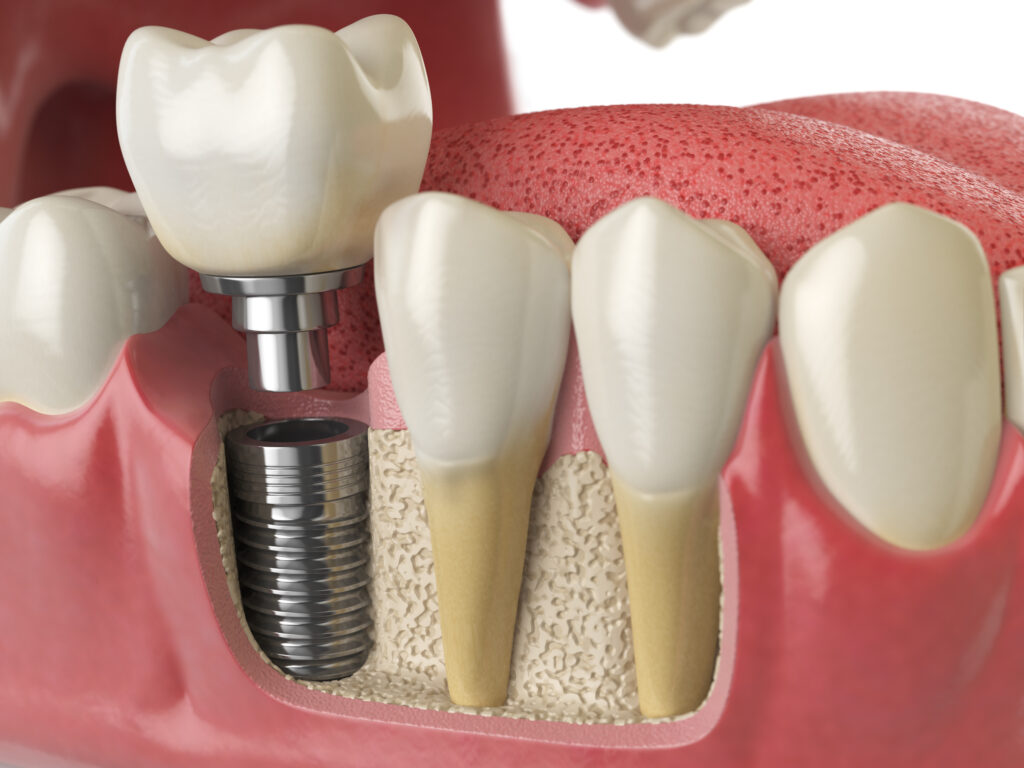
After a dental implant is placed, your body begins the healing process. This includes mild swelling, soreness, and sensitivity around the area. Tenderness is your body’s natural response as the gum tissue heals and the implant integrates with your jawbone.
What’s important to know is that mild discomfort is expected, but pain that gets worse instead of better may signal something else. Recognizing the difference helps you stay on track with your healing.
Normal Healing Timeline
Every patient heals a little differently, but here’s a general idea of what you can expect:
- First 24–48 hours: Tenderness and swelling are at their peak. Cold compresses and rest help most.
- First week: Discomfort begins to ease, and most patients notice steady improvement.
- Following weeks: Tenderness fades gradually as your implant site continues to heal. Daily activities like eating and speaking should feel more comfortable by this stage.
If you’re ever unsure about your healing, your implant dentist in Twin Falls can check to ensure everything looks normal.
Tips to Manage Tenderness at Home
You can do a lot at home to ease tenderness while your mouth heals:
- Choose soft foods like yogurt, soup, and mashed potatoes until chewing feels comfortable again.
- Apply a cold compress to reduce swelling in the first couple of days.
- Take pain relievers as directed, whether they’re prescribed or over-the-counter.
- Brush your mouth gently and rinse with warm salt water, but avoid disturbing the surgical site.
These simple steps can go a long way in making your recovery more comfortable.
When to Contact Your Dentist?
Mild tenderness is normal, but some symptoms shouldn’t be ignored. Contact your dentist if you notice:
- Severe or worsening pain
- Excessive bleeding
- Swelling that continues to increase after several days
- Fever or signs of infection
Reaching out early helps prevent complications and keeps your recovery on track.
Conclusion
Tenderness after dental implants is a common and temporary part of healing. With time, patience, and the proper care, your mouth will adjust and feel normal again. If you have questions about your recovery or need professional guidance, visit our dental office at Green Acres Family Dentistry Twin Falls to ensure your healing is progressing smoothly.