
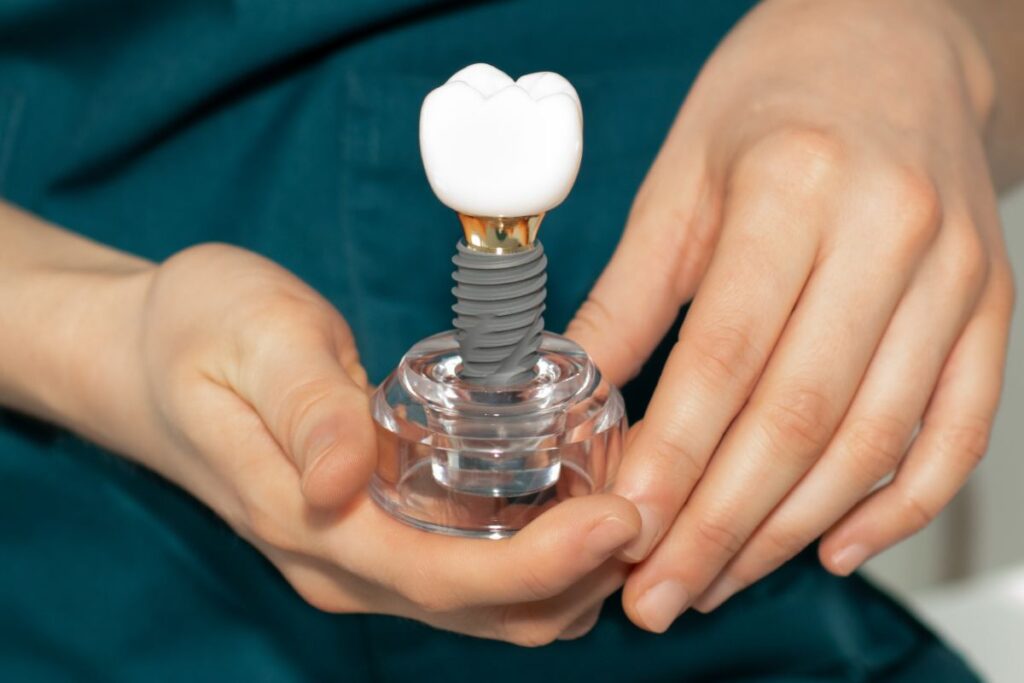
When a molar goes missing, it can affect more than just how you chew. These back teeth play a big role in breaking down food, aligning your bite, and supporting your facial shape. Many patients ask whether dental implants can replace a missing molar. The short answer is yes—implants can restore the strength and stability of your natural teeth. But before starting treatment, there are a few things to remember, such as gum health, bone density, and overall oral condition.
Can You Replace Missing Molars with Dental Implants?
Yes, you can. Dental implants are one of the most dependable ways to replace missing molars. Unlike bridges or partial dentures, implants are placed directly into the jawbone, creating a strong and secure foundation—just like a natural tooth root. This makes them an ideal long-term solution for restoring your bite and confidence.
Why Dental Implants Work So Well for Molars?
Molars do the heavy lifting when it comes to chewing, and dental implants are designed to handle that strength. They offer several key benefits:
- Restore full chewing power for meats, vegetables, and crunchy foods
- Prevent bone loss that often follows tooth loss
- Maintain the spacing and alignment of nearby teeth.
- It can last for decades with proper care
Having strong molars is essential for comfortable eating and overall oral health—making implants a practical and reliable choice.
Who Might Not Be a Good Candidate for Dental Implants?
While most people can successfully get implants, some health conditions may need attention first.
- Poor gum health or periodontal disease: Healthy gums are essential for implant success.
- Insufficient bone density: The jaw needs enough bone to anchor the implant post.
- Uncontrolled diabetes or smoking: Both can affect healing and increase the risk of infection.
- Chronic teeth grinding (bruxism): Excess pressure can stress the implant over time.
If any of these apply, your dentist can create a plan to improve your oral health before moving forward.
Benefits of Replacing Molars with Dental Implants
Replacing molars with dental implants offers more than cosmetic improvement—it restores real function and stability.
- Improved chewing ability for all types of food
- Natural appearance that blends with surrounding teeth
- Preserved jawbone health to maintain facial structure
- Long-term durability and value
- No effect on nearby teeth, unlike traditional bridges
How Replacing Molars Differs from Front Teeth
Molars require a slightly different approach because they endure more pressure from chewing. They may need wider implant posts or a specific angle for better support. Before the procedure, your dentist will take detailed X-rays or 3D scans to plan the placement accurately, ensuring long-lasting results.
What to Expect During the Dental Implant Process?
The process for implants typically involves a few key steps:
- Consultation & Exam – Assessing gum health, bone density, and treatment goals.
- Implant Placement – Inserting the titanium post into the jawbone.
- Healing & Integration – Allowing the bone to fuse securely with the implant.
- Crown Placement – Attaching a custom-made crown for natural function and appearance.
Restore Strength and Confidence with Green Acres Family Dentistry
If you’re missing a molar, dental implants can help restore your smile’s strength, stability, and natural function. The best way to find out if they’re right for you is through a professional consultation.
At Green Acres Family Dentistry in Twin Falls, ID, our team is here to help you rebuild your bite and protect your long-term oral health. Request an appointment today to take the first step toward a stronger, healthier smile.