
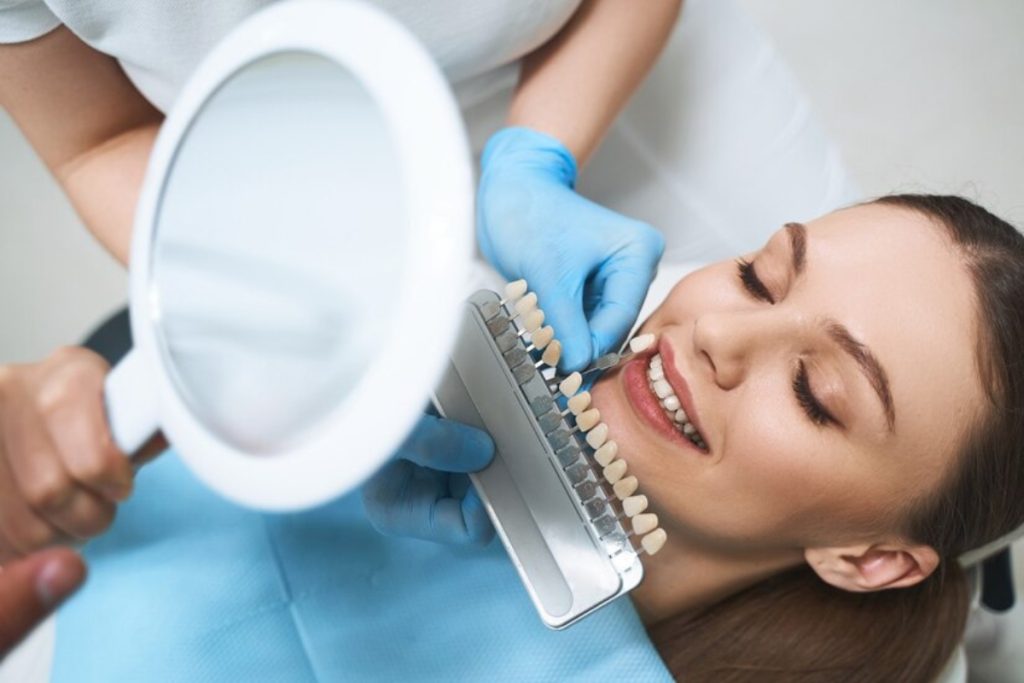
Have you ever looked at your smile and wished you could change a few things about it? Perhaps you have stubborn tooth stains, small chips, uneven edges, or gaps that make you feel less confident when you smile. Dental veneers may be worth considering if you want to improve the appearance of your teeth without replacing them entirely.
At Green Acres Family Dentistry in Twin Falls, Idaho, patients can explore cosmetic options based on their dental health, goals, and individual needs. If you are considering dental veneers in Twin Falls, understanding who may be a suitable candidate is a helpful first step.
Veneers can create a more uniform-looking smile, but they are not the right solution for everyone. Your existing tooth structure, gum health, bite, and expectations all play a role in determining whether this treatment makes sense for you.
Quick Answer: Who Is a Good Candidate for Dental Veneers?
A good candidate for dental veneers generally has healthy teeth and gums, sufficient tooth enamel, and cosmetic concerns such as discoloration, minor chips, uneven tooth shapes, or small gaps. Candidates should also maintain good oral hygiene and have realistic expectations. A dental examination is necessary to determine whether veneers are appropriate or another treatment would better meet their needs.
What Are Dental Veneers?
Dental veneers are thin, custom-made coverings placed over the front surfaces of teeth to improve their appearance. They are commonly made from porcelain or composite resin, depending on the treatment approach.
Veneers can change the apparent color, shape, size, and overall symmetry of selected teeth. For example, someone with discoloration that does not respond well to whitening may consider veneers, while another person may want to improve the appearance of worn or slightly uneven front teeth.
Porcelain veneers are known for their natural-looking appearance and resistance to staining. Composite resin veneers may offer a different treatment approach, depending on the patient’s needs and the dentist’s recommendation.
It is important to understand that traditional porcelain veneers often require removing a small amount of enamel. This means the treatment is generally considered irreversible. Your dentist should explain the preparation required, available alternatives, costs, and expected maintenance before you decide.
5 Signs You May Be a Good Candidate for Veneers
1. You Have Stained or Discolored Teeth
Some tooth stains are difficult to remove with routine cleaning or whitening treatments. Discoloration caused by certain medications, developmental changes, or other factors may not respond as expected to bleaching.
Veneers may help cover persistent discoloration when the underlying teeth are otherwise suitable for treatment. However, professional teeth whitening may be a more conservative first option if your natural teeth can achieve the shade you want.
2. Your Teeth Have Minor Chips or Uneven Edges
Small chips, worn edges, and slight irregularities can affect the appearance of your smile. Veneers may help create a more even-looking shape when enough healthy tooth structure remains.
Larger fractures or teeth weakened by extensive decay may need a different restorative solution. Your dentist will evaluate the amount of remaining tooth structure before recommending treatment.
3. You Have Small Gaps Between Teeth
If you have small spaces between your front teeth, veneers may make those spaces less noticeable by changing the visible width of the teeth.
Veneers are not always the best choice for closing gaps, though. Orthodontic treatment may be more appropriate when the spacing is related to tooth position or bite alignment.
4. You Want to Improve Tooth Shape or Symmetry
Some people naturally have teeth that appear short, narrow, or uneven. Others notice changes from normal wear over time. Veneers may help create a more balanced appearance when the teeth and gums are healthy enough to support treatment.
Your dentist can discuss the shape, shade, and proportions that may complement your smile while keeping your goals realistic.
5. You Have Healthy Teeth and Gums
Good oral health is an important part of veneer candidacy. Active tooth decay, gum disease, or other untreated dental problems should generally be addressed before elective cosmetic treatment.
Healthy gums help support the teeth around the veneers, while sufficient enamel may be necessary for predictable bonding. A consultation can help identify problems that need attention before cosmetic treatment begins.
When Might Dental Veneers Not Be the Best Option?
Veneers can improve the appearance of teeth, but certain conditions may make another treatment more appropriate.
- Untreated cavities: Decay should be evaluated and treated before elective veneer placement.
- Active gum disease: Inflamed or unhealthy gums need attention before cosmetic treatment.
- Significant tooth damage: Teeth with extensive structural damage may benefit more from crowns or another restorative option.
- Teeth grinding or clenching: These habits can place extra pressure on veneers and increase the risk of chips or damage. Your dentist may recommend a night guard if appropriate.
- Major alignment or bite concerns: Orthodontic treatment may be a better way to address substantial crowding, spacing, or bite problems.
- Unrealistic expectations: Veneers can change the visible appearance of teeth, but they cannot guarantee a perfectly symmetrical smile or correct every dental concern.
Being unsuitable for veneers today does not necessarily mean you can never receive them. Treating underlying problems first may help you explore cosmetic options later.
Veneers vs. Dental Crowns: Which Is Better?
Veneers and dental crowns can both improve the appearance of teeth, but they serve different purposes.
Veneers cover primarily the front surface of a tooth and are generally chosen for cosmetic concerns when the tooth has enough healthy structure. Crowns cover most or all of the visible portion of a tooth and are often used when more extensive protection or restoration is needed.
For example, a healthy tooth with persistent discoloration might be suitable for a veneer, while a tooth weakened by substantial damage may need a crown. The right choice depends on the condition of the tooth, not simply which option looks better.
If you are comparing these treatments, read more about veneers vs. dental crowns to understand how the two options differ in coverage, tooth preparation, and purpose. Consider linking that phrase to the relevant article on the practice website once its URL is confirmed.
What Should You Expect During a Veneer Consultation?
Your consultation is an opportunity to discuss your smile goals and find out which options are appropriate for your dental health.
Dental examination
Your dentist will assess your teeth, gums, existing restorations, and bite. X-rays may be recommended if needed to evaluate concerns that cannot be assessed through a visual examination alone.
Discussion of your goals
Think about what you would like to change. You may want a brighter shade, a more even appearance, or a solution for a chipped front tooth. Sharing your priorities helps guide the conversation.
Review of treatment options
Depending on your needs, your dentist may discuss porcelain veneers, composite bonding, professional whitening, orthodontics, crowns, or other treatments. Ask about the benefits, limitations, costs, and long-term maintenance of each option.
Treatment planning
If veneers are suitable, your dentist will explain the preparation process, how the veneers will be made and placed, and how to care for them afterward. Ask whether enamel removal will be necessary and whether a more conservative alternative is available.
Frequently Asked Questions
Are veneers suitable for everyone?
No. Veneers are not appropriate for every patient. Healthy gums, adequate tooth structure, a manageable bite, and realistic expectations are important considerations. A dentist can assess your individual situation and recommend suitable alternatives if necessary.
Do dental veneers damage natural teeth?
Traditional veneers usually require removing a small amount of enamel to create room for the restoration. Because enamel does not grow back, this process is generally irreversible. The amount of preparation varies, and some cases may allow more conservative options. Discuss these details before proceeding.
How long do dental veneers last?
Veneer lifespan varies with the material, oral hygiene, bite forces, and everyday habits. Porcelain veneers can last many years, but they may eventually need repair or replacement. Regular dental visits, careful brushing and flossing, and avoiding habits such as biting hard objects can help protect them.
Can I get veneers if I grind my teeth?
Possibly, but grinding or clenching can increase the risk of veneer damage. Your dentist will evaluate your bite and discuss ways to manage the habit, which may include a custom night guard. The decision depends on the severity of the grinding and your overall dental health.
Are veneers better than teeth whitening?
Neither option is universally better. Whitening may be preferable when the concern is tooth color and the natural teeth respond to bleaching. Veneers can address color along with certain shape and spacing concerns, but they involve more extensive treatment in many cases. Your dentist can help you compare the options.
Find Out Whether Dental Veneers Are Right for You
Choosing cosmetic dental treatment is a personal decision. If you are considering veneers, start by identifying what you want to improve and discussing your options with a dental professional. The right treatment should consider both the appearance of your smile and the long-term health of your teeth.
Green Acres Family Dentistry serves patients in Twin Falls, Idaho, who want to explore options for improving their smiles. If you are wondering whether veneers fit your needs, schedule a consultation to discuss your goals, ask questions, and understand the available treatments. You can also see what patients are saying on Google to learn more about the practice.