
If you’ve been told that you need a root canal, it’s natural to wonder what recovery will feel like and how quickly you can get back to your normal routine. The good news is that most patients can return to everyday activities relatively soon, although the treated area may remain tender for a few days.
Understanding the root canal recovery time can help you plan ahead and know what is normal after treatment. If you’re dealing with an infected or painful tooth, learning more about root canal treatment in Twin Falls can also help you understand how treatment works and why saving the natural tooth may be recommended.
Quick Answer: How Long Does Root Canal Recovery Take?
For many patients, mild tenderness or sensitivity after a root canal improves within a few days. Complete healing can vary depending on the condition of the tooth, the extent of infection or inflammation before treatment, and whether additional restorative work is needed. Some people feel comfortable quickly, while others may need more time for tenderness to settle.
If pain becomes severe, worsens instead of improving, or is accompanied by significant swelling or other concerning symptoms, contact your dentist for guidance.
What Can You Expect After a Root Canal?
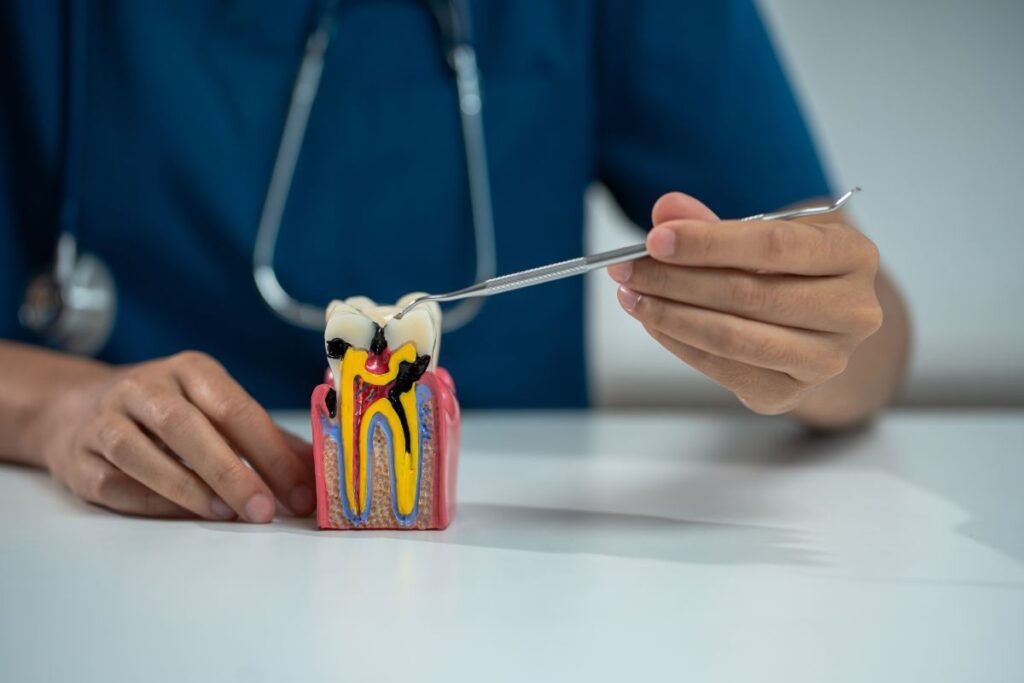
A root canal is performed to remove infected or damaged tissue from inside a tooth, clean the area, and seal it to help protect the tooth. The procedure itself is designed to address the source of the problem while preserving as much of the natural tooth as possible.
After the anesthetic wears off, you may notice some tenderness around the treated tooth or surrounding tissues. This does not necessarily mean something is wrong. The tooth and nearby area may have already been inflamed before treatment, and the tissues can remain sensitive while they recover.
Common Experiences During Root Canal Recovery
Patients may experience:
- Mild to moderate soreness when biting or chewing
- Tenderness around the treated tooth
- Temporary sensitivity in the surrounding area
- Minor discomfort as the numbness wears off
- A need to avoid chewing heavily on the tooth until restoration is complete
Your individual experience may be different. Your dentist can provide instructions based on your specific treatment and oral health needs.
What Affects Root Canal Recovery Time?
There is no single recovery timeline that applies to every patient. Several factors can influence how long soreness lasts after a root canal.
The Condition of the Tooth Before Treatment
A tooth that was severely inflamed or infected before treatment may take longer to feel completely comfortable. Dental infections can cause significant irritation in the tissues around the tooth, so some tenderness may continue even after the inside of the tooth has been treated.
The Complexity of the Procedure
Some teeth are more complicated to treat than others. Molars, for example, often have multiple roots and canals. The treatment process and your recovery can vary depending on the tooth involved and the condition of its internal structures.
Your Overall Healing Response
Everyone’s body responds differently to dental treatment. Some patients experience very little discomfort after a root canal, while others notice tenderness for a longer period. Following your dentist’s aftercare instructions can support a smoother recovery.
Whether Additional Restoration Is Needed
A tooth may need further restoration after root canal therapy. Green Acres Family Dentistry notes that a treated tooth may become more brittle and that a dental crown may be recommended to help restore and protect it.
Your dentist will explain whether your tooth needs a crown or another type of restoration and when it is safe to resume normal chewing on that side of your mouth.
A General Root Canal Recovery Timeline
The First Few Hours
Your mouth may remain numb for a while after treatment. Be careful when eating or drinking until the numbness has worn off so you do not accidentally bite your cheek, tongue, or lip.
Once sensation returns, some tenderness may develop around the treated tooth.
The First Few Days
This is when many patients notice the most soreness. You may be more aware of the treated tooth when chewing or applying pressure. Stick to your dentist’s instructions and avoid unnecessarily stressing the tooth.
If you have been given a temporary filling or are waiting for a permanent restoration, take extra care when chewing until your dentist advises otherwise.
After Several Days
For many people, tenderness gradually improves. You should generally notice that recovery is moving in the right direction rather than becoming increasingly painful.
If discomfort is not improving, or if you have concerns about how the tooth feels when you bite, contact your dental office.
Until the Final Restoration Is Complete
Recovery from the procedure and restoration of the tooth are not always the same thing. Depending on your treatment plan, you may need another visit to permanently restore and protect the tooth.
Follow your dentist’s recommendations about the timing of your final restoration. Protecting the treated tooth is an important part of restoring normal function.
Root Canal Recovery Tips: What Can You Do at Home?
A few practical steps may help you stay comfortable while recovering.
Follow Your Dentist’s Instructions
Your dentist’s aftercare instructions should always take priority over general advice online. Treatment can vary from one patient to another.
Take any recommended medications exactly as directed by your dental professional, and ask before combining medications if you are unsure what is appropriate for you.
Choose Softer Foods When Needed
If the tooth is tender, choose foods that do not require heavy chewing. As you become more comfortable and your dentist clears you to do so, you can gradually return to your usual eating habits.
Avoid Biting Down Hard on the Treated Tooth
This is especially important if the tooth has not yet received its final restoration. Avoid chewing ice, hard candy, or other very hard foods on the treated tooth.
Maintain Your Oral Hygiene Routine
Continue brushing and cleaning between your teeth as recommended by your dentist. Good oral hygiene remains important after root canal treatment.
Be gentle if the area feels tender, but do not neglect the rest of your mouth.
When Should You Call the Dentist During Recovery?
Some discomfort can be expected, but worsening symptoms deserve attention. Contact your dentist if you experience severe pain, increasing swelling, or discomfort that does not seem to improve as expected.
You should also call if a temporary filling or restoration comes out, if your bite feels noticeably uneven, or if you have questions about your recovery.
A severe toothache, swelling, or possible signs of a root canal infection should not be ignored, especially if your symptoms worsen instead of improving. Depending on the situation, you may need prompt evaluation or emergency dental care.
For patients in Twin Falls, ID, getting professional guidance can help determine whether what you’re experiencing is part of normal recovery or needs further attention.
Will a Root Canal Hurt After the Procedure?
This is one of the most common patient concerns. During treatment, the goal is to keep you comfortable with appropriate local anesthesia. Afterward, some tenderness can occur as the area recovers.
Many people are surprised that the recovery is more manageable than they expected. However, pain tolerance and the condition of the tooth before treatment can vary.
The most important thing is the overall trend. Mild discomfort that gradually improves is different from pain that becomes more severe or new swelling that develops after treatment. When in doubt, contact your dentist rather than trying to diagnose the problem on your own.
Can You Go Back to Work After a Root Canal?
Many patients can return to their normal routine quickly, depending on how they feel and the type of work they do. If you received sedation or medication that affects alertness, follow your dentist’s instructions about driving, work, and other activities.
If your job involves no unusual physical demands, you may feel ready to resume regular activities relatively soon. Still, it is perfectly reasonable to take it easy if you are experiencing soreness.
Ask your dental team what to expect based on your specific procedure.
Why Treating an Infected Tooth Matters
Ignoring a painful or infected tooth may allow the underlying problem to worsen. Root canal therapy is intended to remove infection or damaged tissue from inside the tooth while preserving the remaining tooth structure when possible.
At Green Acres Family Dentistry, the root canal service page explains that infection inside the tooth can result from problems such as decay or trauma and that treatment focuses on cleaning and sealing the affected tooth.
Early professional evaluation can help you understand your options. Your dentist can assess the tooth, explain whether root canal therapy is appropriate, and discuss the next steps for restoring your smile.
FAQs About Root Canal Recovery Time
How long does soreness last after a root canal?
Many patients experience tenderness for a few days, but the exact timeline varies. The condition of the tooth before treatment and your individual healing response can affect how long discomfort lasts. Contact your dentist if pain is severe or worsening.
Can I eat normally after a root canal?
Your dentist may recommend avoiding chewing on the treated tooth until numbness has worn off and any necessary restoration is complete. Softer foods may be more comfortable if the area is tender.
Is it normal for a tooth to hurt when biting after a root canal?
Some tenderness when biting can occur during recovery. However, if the discomfort is significant, worsens, or your bite feels uneven, contact your dentist so the tooth can be evaluated.
How do I know if my root canal is healing properly?
A general sign of recovery is that discomfort gradually improves rather than becoming more severe. Because every case is different, your dentist is the best person to evaluate persistent symptoms or concerns.
When can I brush my teeth after a root canal?
In most cases, you can continue your normal oral hygiene routine, but follow any specific instructions from your dentist. Brush gently around a tender area and ask your dental team if you have questions about caring for a temporary restoration.
Recover With Confidence and Know When to Ask for Help
Knowing the typical root canal recovery time can make the days after treatment feel less uncertain. For many patients, tenderness improves within a relatively short period, but recovery depends on the condition of the tooth and the details of the treatment.
If you have a painful tooth, questions about recovery, or concerns after treatment, the team at Green Acres Family Dentistry can provide guidance based on your individual needs. Patients in Twin Falls, ID, can contact the office to schedule a dental visit and discuss their symptoms and treatment options.
Before choosing a dental practice, you may also want to see patient reviews on Google(opens in new tab) to learn more about experiences shared by local patients and find the office on Google.
Your oral health needs are personal, so the safest next step is a professional evaluation when pain, swelling, or other symptoms are causing concern.