
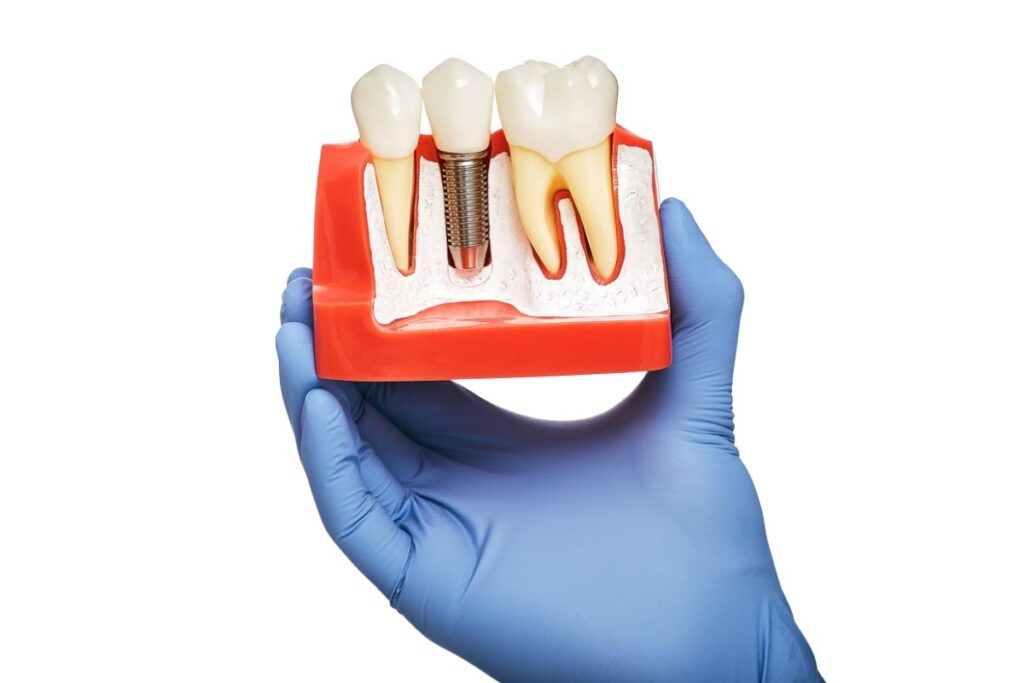
Losing a tooth can be a stressful experience, and many people wonder how quickly they can replace it with a dental implant. The timing of dental implant placement depends on various factors, including the condition of your jawbone, infection, and overall oral health. Understanding the different timelines for dental implant placement can help you make an informed decision about your treatment options.
Immediate Implant Placement
Sometimes, a dental implant can be placed immediately after tooth extraction. This is known as immediate implant placement and is often possible when sufficient bone density supports the implant. Immediate placement can reduce the overall treatment time and help preserve the natural shape of the gum and bone structure. However, this option may not be suitable for everyone, especially if there is an active infection or insufficient bone. Immediate placement can be an excellent option for patients seeking dental implants in Twin Falls if their oral health conditions allow.
Early Implant Placement (2-3 Months)
Early implant placement may be recommended if immediate placement is not an option. This typically occurs around two to three months after tooth extraction. This waiting period allows the bone to heal while preserving enough bone structure to support an implant. Early implant placement is commonly used when mild bone loss is present but not significant enough to require extensive grafting. Many individuals looking for dental implants find that early implant placement balances healing time and efficiency.
Delayed Implant Placement (4-6 Months or More)
For patients with significant bone loss or infection at the extraction site, delayed implant placement may be necessary. This approach requires four to six months to heal before placing an implant. The delay allows bone regeneration and healing time, ensuring a stable foundation for the implant. In some cases, bone grafting may be needed before implant placement, which can extend the treatment timeline further. Patients who require bone grafting before getting dental implants should expect a longer overall treatment process.
Factors That Affect Implant Timing
Several factors influence how soon you can receive dental implants after tooth loss:
- Bone Health: Sufficient bone density is crucial for supporting an implant. If bone loss has occurred, a grafting procedure may be required before implant placement.
- Gum Health: Healthy gums are essential for successful implant integration. If gum disease is present, it must be treated before the implant procedure.
- Overall Health: Conditions such as diabetes or smoking can affect healing and may influence the timing of implant placement.
- Infection: If an infection is present at the extraction site, it must be resolved before proceeding with dental implants.
Choosing the Right Timeline for Your Needs
Every patient’s situation is unique, so the best way to determine when you can get dental implants is through a consultation with a dentist. They will assess your oral health, bone structure, and overall medical history to recommend the most suitable approach. A thorough evaluation will help ensure a successful outcome if you are considering dental implants.
Conclusion
The timeline for receiving dental implants after tooth loss varies based on individual factors such as bone health and gum condition. If you are looking for an implant dentist in Twin Falls, visit Green Acres Family Dentistry. Whether you are a candidate for immediate placement or need additional healing time, working with a knowledgeable dentist is essential for optimal results.