
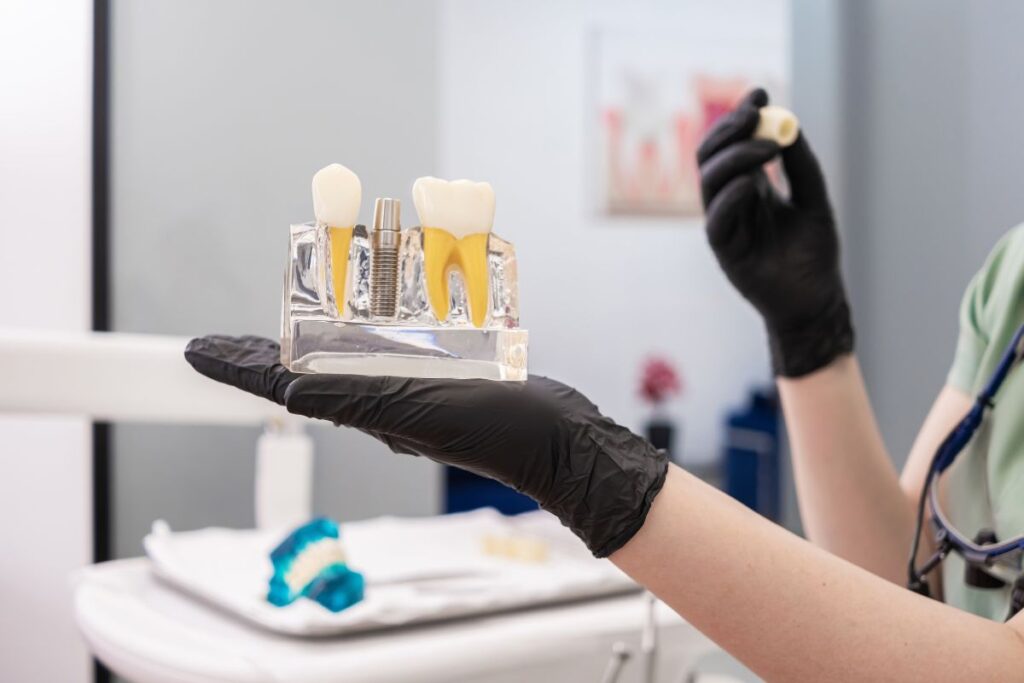
Losing a tooth can affect more than your smile. It may make eating certain foods harder, change how your remaining teeth meet, or simply leave you wishing you had a replacement that feels more natural. For many people, dental implants are one option worth discussing. If you’re considering treatment, learning about implant dentistry in Twin Falls can help you understand what the process involves and whether implants may fit your needs.
So, who is a good candidate for dental implants? The answer depends on several factors, including your oral health, jawbone condition, overall health, and what you want to accomplish with treatment. There isn’t one age, lifestyle, or set of circumstances that automatically makes someone eligible or ineligible.
Quick Answer
A good dental implant candidate generally has one or more missing teeth, healthy enough gums and surrounding tissues, adequate jawbone support or the possibility of improving bone support, and overall health that allows the mouth to heal after treatment. A dental professional must evaluate each patient individually before determining whether implants are appropriate.
What Makes Someone a Good Candidate for Dental Implants?
1. You Have One or More Missing Teeth
Dental implants are designed to replace missing tooth roots and support restorations such as crowns, bridges, or dentures. If you’ve lost a tooth because of decay, injury, gum disease, or another reason, implants may be one possible replacement option. Learning about the benefits of dental implants can also help you understand why this treatment may be considered when replacing missing teeth.
Implants can be used for different situations, from replacing a single missing tooth to supporting a larger tooth-replacement restoration. The right approach depends on how many teeth are missing and the condition of your mouth.
2. Your Gums Are Healthy Enough for Treatment
Healthy gum tissue is important for successful implant treatment. Active gum disease can affect the tissues and bone that support teeth and may need to be addressed before implant placement.
This doesn’t necessarily mean someone with a history of gum disease can never receive implants. It means the condition of the gums should be evaluated and managed as part of the treatment plan.
If you have bleeding gums, persistent swelling, gum recession, or other signs of periodontal problems, mention them during your dental evaluation.
3. You Have Adequate Jawbone Support
Dental implants are placed into the jawbone, so the amount and condition of available bone are important considerations.
After a tooth is lost, the surrounding bone can gradually change. Some patients have enough bone for implant placement, while others may need additional evaluation or treatment before an implant can be considered.
Your dentist may use dental imaging to examine the area and determine whether there is sufficient support for the planned restoration.
4. Your Overall Health Supports Healing
Dental implant treatment involves a surgical procedure, so your general health is part of the conversation.
Certain medical conditions, medications, or habits may affect healing or change how treatment should be planned. This doesn’t automatically rule out implants. Instead, your dental provider may need to consider your medical history and coordinate care when appropriate.
Be open about medications, health conditions, previous surgeries, and other relevant information during your consultation. Complete information helps your dental team make safer, more informed recommendations.
5. You Are Able to Maintain Good Oral Hygiene
Implants aren’t maintenance-free. Just like natural teeth, the surrounding tissues need regular care.
Brushing, cleaning between your teeth, attending dental checkups, and following your dental team’s recommendations are important parts of caring for your mouth after implant treatment.
Patients who are prepared to make oral hygiene part of their everyday routine may be better positioned to maintain their oral health over time.
Does Age Matter for Dental Implants?
Age alone does not determine whether someone is a good candidate for dental implants.
For adults, the more important questions typically involve oral health, bone development, overall health, and individual treatment needs. Older adults may be candidates for implants just as younger adults can be, provided their dental and general health are appropriate for the procedure.
A consultation is the best way to determine whether age-related or health-related factors could affect your treatment options.
What If You Don’t Have Enough Bone for an Implant?
Having less bone than expected doesn’t necessarily mean dental implants are impossible.
Depending on the individual situation, your dental provider may discuss ways to address bone deficiencies before or as part of implant treatment. Whether that is appropriate depends on the location, amount of available bone, and overall treatment plan.
This is one reason a thorough examination matters. A dentist cannot determine implant candidacy based only on a conversation or a missing tooth. The condition of the tissues and bone needs to be evaluated.
What About Smoking or Tobacco Use?
Tobacco use is an important factor to discuss before implant treatment because it can affect oral health and healing.
If you smoke or use other tobacco products, be honest with your dental provider. They can explain how tobacco use may affect your individual treatment and what steps may be recommended.
Rather than assuming you are automatically disqualified, have a direct conversation with your dental team about your habits and treatment goals.
What Happens During an Implant Evaluation?
If you’re interested in dental implants, the first step is usually a dental examination and discussion about your goals.
Your dental provider may evaluate:
- The number and location of missing teeth
- The condition of your gums
- The health of your remaining teeth
- Available jawbone
- Your medical and dental history
- Your oral hygiene habits
- Your expectations for treatment
Dental imaging may also be used when appropriate to help evaluate the bone and surrounding structures.
From there, your provider can explain whether implants may be suitable and discuss other tooth-replacement options when appropriate.
Are Dental Implants Right for Everyone?
No. Dental implants are not automatically the best solution for every person with missing teeth.
Some patients may have oral health concerns that should be treated first. Others may have medical or anatomical factors that require additional planning. In some cases, a different tooth-replacement option may make more sense.
The goal of an implant consultation isn’t simply to determine whether you can receive an implant. It’s to understand your situation and identify an approach that makes sense for your oral health, needs, and goals.
For patients in Twin Falls, discussing your options with a local dental professional can make the decision process much clearer.
Why Choose Green Acres Family Dentistry in Twin Falls?
At Green Acres Family Dentistry, patients can discuss missing teeth and tooth-replacement concerns in a familiar local dental setting. An individualized evaluation can help you understand your options without assuming that the same treatment is right for everyone.
If you’re researching dental implant options in Twin Falls, you can also read reviews from local patients on Google to learn more about their experiences with Green Acres Family Dentistry.
Frequently Asked Questions
Can someone with bone loss still get dental implants?
Possibly. The amount and condition of jawbone are important factors, but having reduced bone does not always rule out implant treatment. Your dentist can evaluate the area and discuss whether additional treatment or another replacement option may be appropriate.
Are dental implants suitable for older adults?
Age by itself does not determine implant candidacy. An older adult may be considered for implants if their oral and general health support treatment. A personalized evaluation is necessary.
How do I know if I have enough bone for a dental implant?
A dental examination and appropriate imaging can help your provider assess the bone in the area where an implant would be placed. You generally cannot determine bone availability from symptoms alone.
Do I need healthy gums before getting dental implants?
Healthy periodontal tissues are an important part of implant planning. If you have active gum disease, your dental provider may recommend addressing it before moving forward with implant treatment.
What should I do if I’m considering dental implants?
Schedule an evaluation with a dental professional. Bring a list of your medications and relevant health information, and be prepared to discuss your missing teeth, oral health history, concerns, and treatment goals.
Conclusion
So, who is a good candidate for dental implants? In general, candidates have missing teeth and a mouth and overall health that can support implant treatment. But candidacy is personal. Gum health, jawbone condition, medical history, oral hygiene, tobacco use, and treatment goals can all play a role.
If you’re in Twin Falls, and wondering whether dental implants could be an option for you, the next step is a professional evaluation rather than trying to determine eligibility on your own. Green Acres Family Dentistry can help you understand your tooth-replacement options and what factors may need to be considered before treatment.