
Missing teeth can affect more than just your appearance—they can impact your speech, eating habits, and long-term oral health. Whether due to injury, decay, or age-related issues, tooth loss is a common challenge. Fortunately, modern dentistry offers a durable and natural-looking solution: dental implants.
What Are Dental Implants?
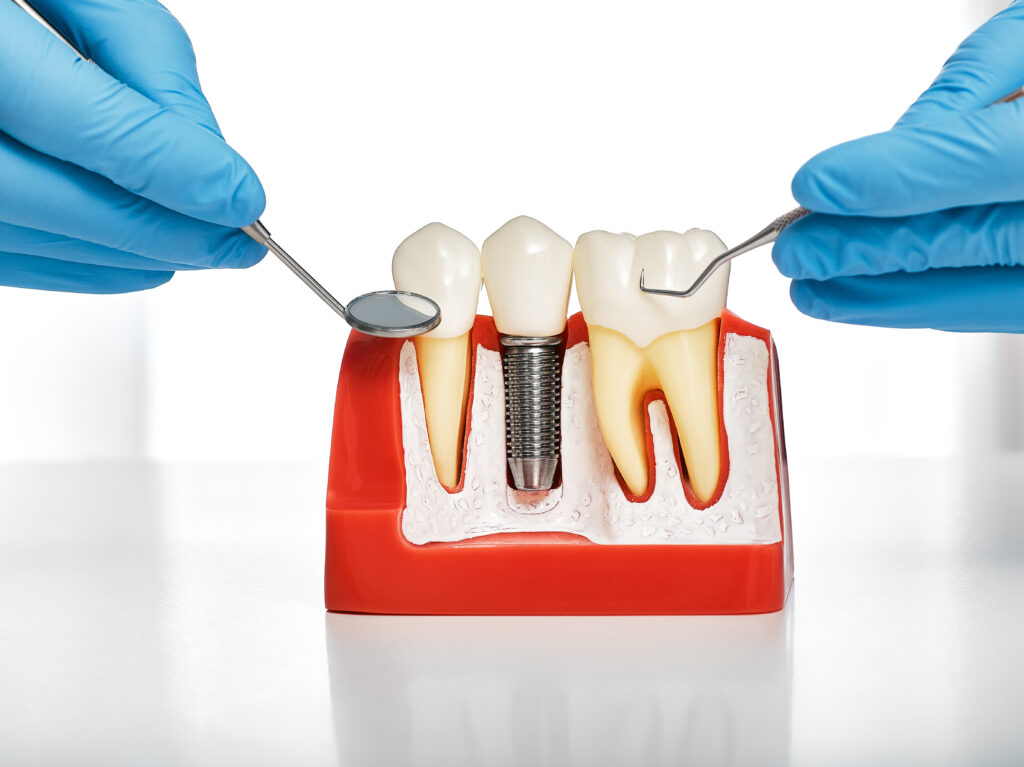
Dental implants are artificial tooth roots, typically made from titanium, that are surgically placed into your jawbone. Once the implant integrates with the bone—a process known as osseointegration—it provides a strong foundation for a crown, bridge, or denture. This method not only restores the look of your smile but also functions like a natural tooth.
Why Choose Dental Implants?
Dental implants have become the preferred method for replacing missing teeth for several reasons:
- Durability: With proper care, implants can last for decades or even a lifetime.
- Aesthetic Appeal: Implants look and feel like real teeth, blending seamlessly into your smile.
- Preserved Jawbone Health: Implants help prevent the bone loss that commonly occurs after tooth loss.
- Improved Functionality: You can eat, speak, and smile with confidence, just as you would with natural teeth.
Who Is a Good Candidate?
You may be a good candidate for dental implants if:
- You have one or more missing teeth
- Your gums are healthy
- You have enough bone to support the implant
- You’re in generally good health and a non-smoker
Even if you’ve experienced some bone loss, procedures like bone grafting can help prepare your jaw for successful implant placement.
The Dental Implant Process
Replacing missing teeth with dental implants involves multiple stages:
- Initial Consultation: Your dentist will evaluate your oral health, take X-rays, and discuss your goals.
- Implant Placement: The implant is surgically inserted into your jawbone. This is typically done under local anesthesia.
- Healing Period: It takes several months for the implant to integrate with the jawbone fully.
- Abutment Placement: Once healing is complete, an abutment (connector) is attached to the implant.
- Restoration: A custom crown, bridge, or denture is secured to the abutment to complete the process.
This step-by-step process ensures the implant is stable, secure, and long-lasting.
Long-Term Care for Implants
Caring for dental implants is much like caring for natural teeth. Daily brushing and flossing, along with regular dental checkups, are essential. Avoid habits like smoking and teeth grinding, as these can compromise implant stability. With good oral hygiene, your implants can remain strong and functional for years to come.
Why Dental Implants Are Ideal for Tooth Replacement?
Compared to traditional dentures or bridges, dental implants offer unmatched stability and a more natural feel. They don’t rely on neighboring teeth for support, and they eliminate the slipping or clicking that can occur with removable dentures.
If you’re looking for a trusted local solution, dental implants in Twin Falls offer a reliable and modern approach to restoring your smile.
Conclusion
Replacing missing teeth with implants is an investment in your health, appearance, and confidence. It’s a solution that goes beyond cosmetics—helping you speak clearly, chew comfortably, and maintain jawbone strength.
At Green Acres Family Dentistry Twin Falls, we’re committed to helping you regain your smile with personalized implant solutions tailored to your needs. Ready to explore your options? Request an appointment today and take the first step toward a healthier, more confident you.