
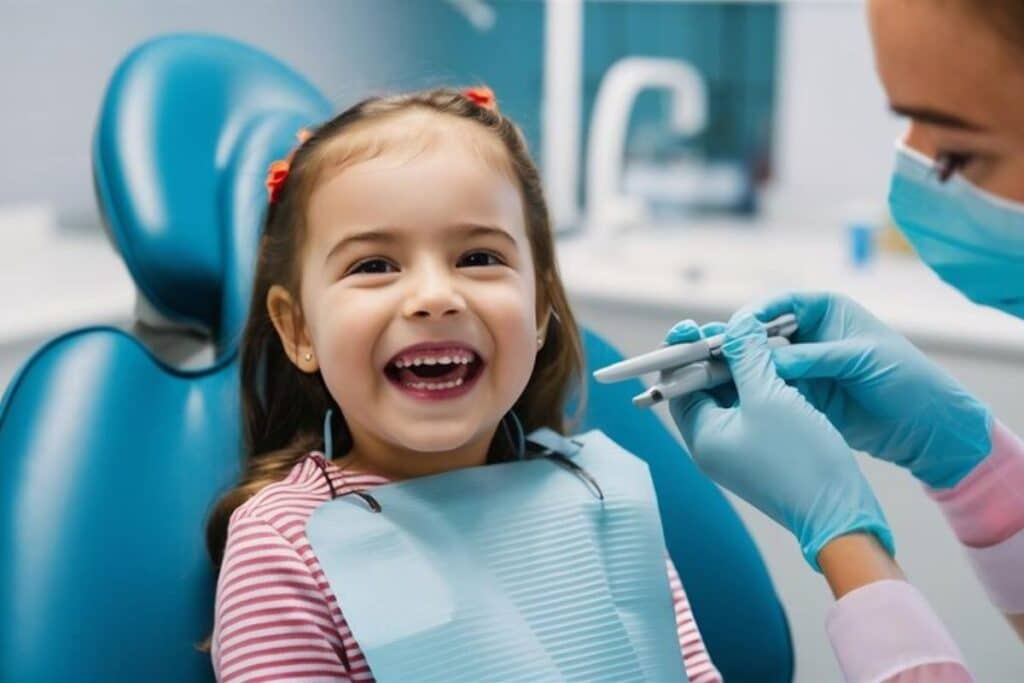
Gum disease isn’t just a concern for adults; it can affect children too. As a vital part of kids dental care, understanding and preventing gum disease in children is essential for their long-term oral health.
Understanding Gum Disease in Children
Gum disease, also known as periodontal disease, is an inflammation of the gums that can lead to serious dental issues if left untreated. In children, this condition often arises due to plaque buildup on their teeth and gums. While baby teeth are temporary, they play a crucial role in the development of permanent teeth and overall oral health.
Common Causes of Gum Disease in Kids
- Poor Oral Hygiene: Inadequate brushing and flossing can lead to plaque buildup, which hardens into tartar and causes gum irritation.
- Diet: A diet high in sugary snacks and beverages can promote the growth of harmful bacteria in the mouth.
- Dry Mouth: Saliva helps wash away food particles and bacteria. Conditions that lead to reduced saliva production can increase the risk of gum disease.
- Dental Misalignment: Misaligned teeth can create hard-to-reach areas, making it challenging for children to maintain proper oral hygiene.
Signs and Symptoms
Early detection is vital for effective management. Parents should be aware of the following signs of gum disease in their children:
- Red, swollen, or bleeding gums
- Persistent bad breath
- Pain or discomfort while chewing
- Loose teeth
- Changes in bite or tooth position
If you notice any of these symptoms, it’s crucial to consult a pediatric dentist for a thorough examination and appropriate treatment.
Prevention: Essential Tips for Kids Dental Care
Preventing gum disease is key to ensuring your child enjoys a healthy smile. Here are some effective strategies:
1. Establish a Regular Oral Hygiene Routine
Encourage your child to brush their teeth twice a day with fluoride toothpaste. Supervise their brushing until they are around 7-8 years old to ensure they are doing it correctly. Flossing should also be introduced as soon as they have two teeth that touch.
2. Healthy Diet Choices
Promote a balanced diet rich in fruits, vegetables, and whole grains. Limit sugary snacks and drinks, as these can contribute to plaque buildup. Drinking plenty of water can also help wash away food particles and maintain oral health.
3. Regular Dental Check-Ups
Schedule routine dental check-ups every six months. A pediatric dentist can monitor your child’s dental health, provide professional cleanings, and detect any early signs of gum disease. Early intervention can prevent more serious issues down the line.
4. Educate About Gum Disease
Teach your child about the importance of gum health. Understanding how gum disease can affect their smile may motivate them to take better care of their teeth.
Treatment Options
If your child is diagnosed with gum disease, the dentist may recommend several treatment options, depending on the severity of the condition:
- Professional Cleaning: This involves the removal of plaque and tartar from the teeth and gums to restore their health.
- Scaling and Root Planing: For more advanced cases, this deep cleaning method removes tartar from below the gum line and smooths the tooth roots to promote healing.
- Antibiotics: In some cases, antibiotics may be prescribed to help control bacterial infections.
Conclusion
Managing gum disease in children is crucial for their overall dental health and well-being. By prioritizing kids’ dental care, including proper oral hygiene, healthy eating habits, and regular dental visits, you can help your child achieve a lifetime of healthy smiles. Remember, early detection and prevention are key to ensuring that their baby teeth lead to big smiles in the future. If you have any concerns about your child’s gum health, don’t hesitate to consult a pediatric dentist for guidance and support.