
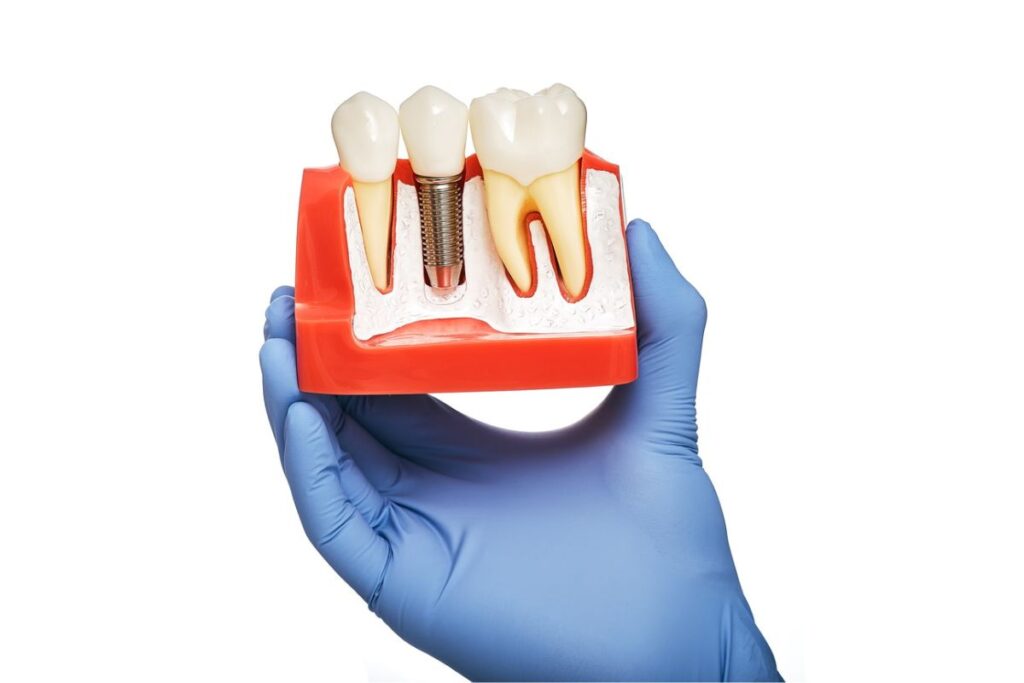
Dental implants are one of the most reliable and long-lasting solutions for replacing missing teeth. With proper care, they can last 15 years or more, sometimes even a lifetime. However, the longevity of your dental implants greatly depends on your oral hygiene, lifestyle habits, and routine dental care. In this blog, we’ll explore practical steps you can take to ensure your dental implants remain in excellent condition for years to come.
Why Long-Term Implant Care Matters?
Dental implants are designed to function like natural teeth in appearance and performance. They rely on a strong healthy gums and jawbone foundation to remain secure. Neglecting oral care or engaging in harmful habits can lead to complications such as infection, gum disease, or implant failure. Fortunately, consistent and intentional care can significantly extend the life of your implants.
1. Commit to Excellent Oral Hygiene
The foundation of a long-lasting dental implant is a clean and healthy mouth. Although implants don’t decay like natural teeth, they are surrounded by gum tissue and bone that can become infected. Brushing your teeth twice daily and flossing once daily helps remove food particles and bacteria that could lead to gum disease and peri-implantitis (a condition similar to gum disease that affects implants).
Consider using an antimicrobial mouthwash as part of your daily routine to reduce harmful bacteria in your mouth.
2. Don’t Skip Dental Checkups
Regular dental visits are essential, even if you don’t have any natural teeth left. Your dentist will monitor the health of your implants, gums, and surrounding bone. Early detection of any issues can prevent complications and help prolong the life of your dental work. Most dental professionals recommend seeing your dentist every six months unless advised otherwise.
3. Avoid Bad Habits
Certain habits can damage or weaken dental implants over time. Avoid chewing on ice, hard candies, pens, or fingernails—these can crack or loosen your restoration. If you grind or clench your teeth, consult your dentist about a night guard to protect your implants while you sleep.
Smoking is another significant risk factor. It restricts blood flow and slows healing, increasing the chances of implant failure. If you smoke, quitting can significantly improve the lifespan of your implants and your overall oral health.
4. Eat a Balanced Diet
What you eat plays a significant role in oral health. A diet rich in vitamins and minerals, particularly calcium and vitamin D, supports strong bones and gums. Limit sugary and acidic foods that can harm your gums or lead to inflammation around the implant area. Drinking plenty of water also helps flush away bacteria and maintain a healthy oral environment.
5. Choose a Skilled Dental Team
The expertise of your dental provider can make a significant difference in the success of your implants. Proper placement, planning, and post-operative care are key to long-term outcomes. If you’re looking for dental implants in Twin Falls, select a dental team with a proven track record in implant dentistry and patient satisfaction.
Conclusion
Dental implants are a long-term investment that can dramatically improve your smile, confidence, and quality of life. By practicing excellent oral hygiene, avoiding harmful habits, eating a nutrient-rich diet, and visiting a qualified dentist regularly, you can ensure your implants stay strong and functional for years.
Ready to protect your smile? Contact us today to schedule a consultation or maintenance appointment.