
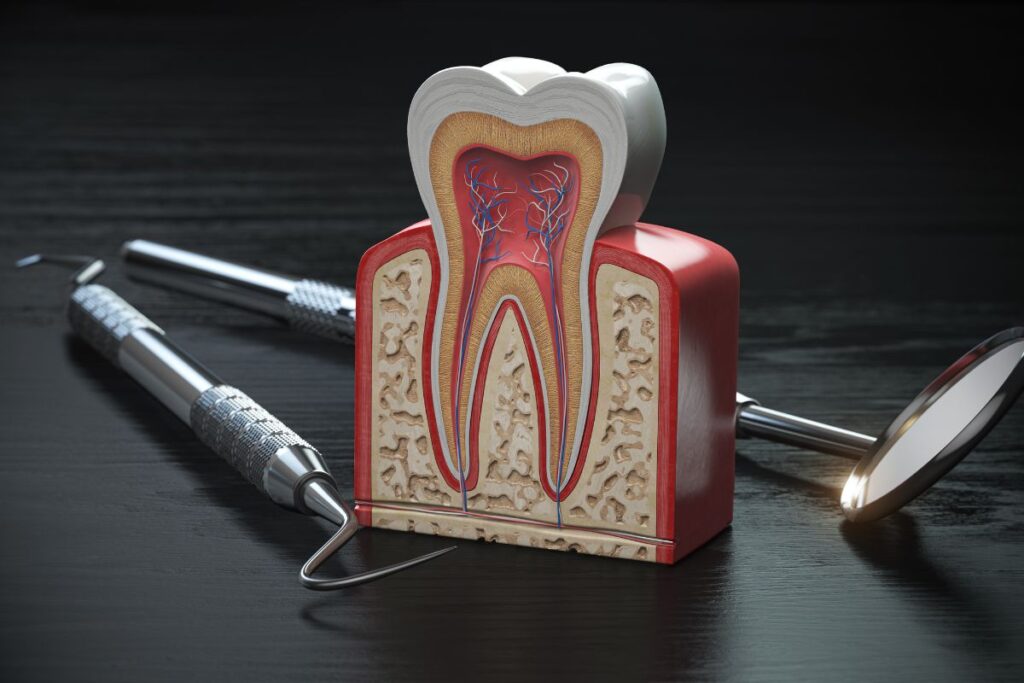
Most people know that a root canal helps save a badly damaged or infected tooth. But many don’t realize that the procedure isn’t exactly the same for every tooth. So if you’re dealing with sensitivity, trauma, or lingering pain, you might wonder: Is a root canal on a front tooth different from one on a molar?
The answer is yes—and understanding those differences can help you feel more prepared and less anxious about treatment.
Let’s break it down in simple, clear terms.
Why a Tooth Needs a Root Canal at All?
A root canal becomes necessary when the inner tissue of your tooth—called the pulp—becomes infected or inflamed. This can happen for several reasons, including:
- Deep cavities
- Cracks or chips
- Trauma from an accident
- Repeated dental work on the same tooth
Symptoms often start subtly. You may notice lingering sensitivity, pressure when biting, or swelling. These warning signs apply to both front teeth and molars, and they often mean it’s time to consider root canal therapy to save the natural tooth structure before the infection spreads.
Front Teeth vs. Molars: The Anatomy Makes a Difference
The biggest difference comes down to the way each tooth is built.
Front Teeth (Incisors & Canines)
- Usually only one root and one canal
- Straight and easy to access
- Smaller overall structure
Molars
- Often have two or three roots, each with multiple canals
- Canals may curve or branch
- Larger and more complex
This anatomical contrast is what makes the two types of root canals different in method, time, and even restoration.
How does the Procedure differ?
The steps are generally the same: the tooth is numbed, the infected pulp is removed, the canal is cleaned, and the space is sealed. But the complexity varies.
Front-Tooth Root Canals
- Usually quicker
- Easier to access
- Straight canals make cleaning simpler
- Often completed in one visit
Molar Root Canals
- Take longer due to the extra canals
- Require more detailed work
- Sometimes need two visits, depending on infection severity
Both procedures are highly effective, but molars simply take more attention because of how they’re built.
Is There a Difference in Comfort?
Many patients are surprised to learn that the comfort level is about the same for both. Local anesthesia keeps the procedure painless. However:
- Front-tooth root canals tend to cause less post-treatment soreness because they have fewer canals.
- Molars may feel tender for a couple of days because of their deeper roots.
Either way, over-the-counter pain relievers usually handle any discomfort.
How is each tooth restored After Treatment?
Saving the tooth is only part of the job—reinforcing it afterward is equally important.
Front Teeth
Because the biting forces on the front teeth are lighter, many are restored with a simple filling or, if needed, a cosmetic veneer. Crowns are used only when there is major structural damage.
Molars
Molars withstand heavy chewing pressure, so they almost always require a dental crown after a root canal. This protects the tooth from cracking and restores full function.
Recovery and Care After a Root Canal
Healing is smooth for both types of teeth, as long as you follow your dentist’s instructions. Expect:
- Mild sensitivity for a day or two
- Avoiding hard foods on the treated side
- Brushing and flossing normally
- Returning for your final restoration if needed
If pain worsens or swelling increases, it’s a good idea to call your dentist for a quick evaluation.
Get Confidence Back in Your Smile – Visit Green Acres Family Dentistry
If you’re experiencing tooth pain or wondering whether you might need root canal therapy, our team at Green Acres Family Dentistry is here to help you feel comfortable and informed every step of the way. A healthier smile starts with addressing problems early—whether it’s a front tooth or a molar.
Request an appointment today and let us help you protect your natural teeth with gentle, effective care.