
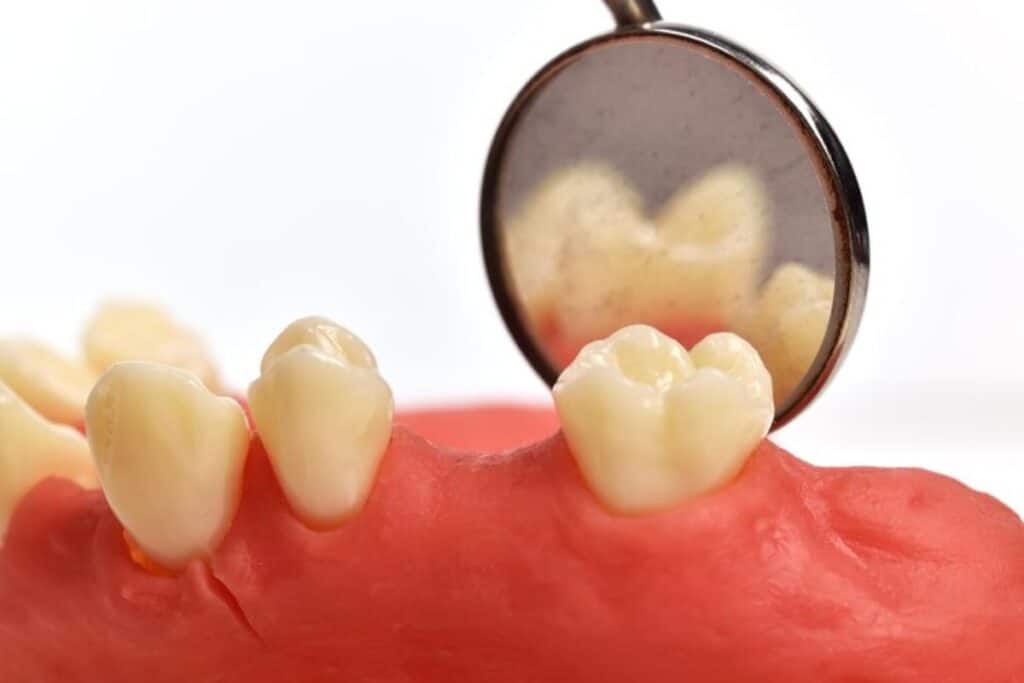
Dental crowns are a common solution in restorative dentistry, designed to protect and restore damaged teeth. However, there may be times when a crown doesn’t stay in place as it should. Understanding why this happens and how to address it can help ensure your dental health is maintained.
Common Reasons a Crown Won’t Stay On
1. Improper Fit
One of the most common reasons a crown may not stay in place is due to an improper fit. If the crown is too large or too small, it may not adhere well to the tooth. This can occur if the impression taken for the crown was inaccurate or if there was an error during the manufacturing process.
2. Tooth Structure Changes
The structure of your tooth can change over time due to decay or damage. If the tooth beneath the crown experiences further decay or structural changes, the crown may not fit as snugly as it once did. This can lead to a loose or dislodged crown.
3. Weak Cement or Adhesive
Crowns are usually cemented into place using dental adhesive. If the adhesive is of poor quality or has been compromised, the crown may not stay in place. Sometimes, the adhesive can break down over time or due to exposure to certain substances.
4. Diet and Habits
Certain foods and habits can contribute to a crown becoming loose. Hard or sticky foods can put extra pressure on the crown, causing it to loosen. Additionally, grinding your teeth or clenching your jaw can affect the stability of the crown.
Steps to Take When a Crown Won’t Stay On
1. Contact Your Dentist Immediately
If your crown comes off or feels loose, it’s crucial to contact your dentist as soon as possible. They can assess the situation and determine the best course of action. Waiting too long can lead to further damage to the tooth or increased discomfort.
2. Keep the Crown and Tooth Clean
If the crown comes off, carefully clean both the crown and the tooth with a toothbrush and water. Avoid using any abrasive materials or chemicals. Keeping both the crown and the tooth clean will help prevent further issues and prepare them for reattachment.
3. Store the Crown Properly
If possible, keep the crown in a safe, clean container until you can see your dentist. This will help prevent damage to the crown and make it easier for your dentist to reattach it.
4. Avoid Certain Foods
While waiting for your dental appointment, avoid eating hard, sticky, or chewy foods. These types of foods can put additional pressure on the affected tooth and potentially cause further damage.
5. Use Temporary Adhesive
In some cases, you may be able to use a temporary dental adhesive to keep the crown in place until you can see your dentist. However, this should only be a short-term solution, and you should consult your dentist before using any temporary adhesive.
Possible Solutions Your Dentist Might Recommend
1. Re-cementing the Crown
If the crown was dislodged but is still in good condition, your dentist may be able to clean and re-cement it. This process involves removing any old adhesive, cleaning the crown and the tooth, and applying a new layer of dental cement.
2. Adjusting the Crown
If the crown doesn’t fit properly, your dentist might need to adjust it to ensure a better fit. This can involve reshaping the crown or the tooth underneath to improve fit and stability.
3. Replacing the Crown
If the crown is damaged or worn out, your dentist may recommend a replacement. A new crown will be custom-made to fit your tooth precisely, ensuring a secure and comfortable fit.
4. Addressing Tooth Issues
If the underlying tooth has experienced further damage or decay, your dentist may need to address these issues before reattaching or replacing the crown. This could involve additional restorative work to ensure the tooth is healthy and strong.
Preventing Future Issues with Dental Crowns
1. Maintain Good Oral Hygiene
Keeping your mouth clean is essential for the longevity of your crown. Brush and floss regularly to prevent decay and gum disease, which can affect the stability of your crown.
2. Regular Dental Checkups
Regular visits to your dentist are crucial for monitoring the condition of your crowns and overall dental health. Your dentist can identify any potential issues early and address them before they become significant problems.
3. Avoid Hard and Sticky Foods
Minimize the consumption of hard or sticky foods that can put extra pressure on your crown. If you do eat these types of foods, be mindful of how they might affect your dental work.
4. Consider a Night Guard
If you grind your teeth or clench your jaw, a night guard can help protect your crowns and overall dental health. Your dentist can provide a custom-fitted night guard to prevent damage caused by grinding or clenching.
A crown that won’t stay on can be frustrating, but addressing the issue promptly can help prevent further complications. By understanding the common causes and knowing the steps to take, you can effectively manage this issue and maintain your dental health. If you’re experiencing issues with your crown, don’t hesitate to reach out to your dentist for professional guidance and solutions.
For expert care and advice, contact a dentist in Twin Falls to ensure your dental crowns and overall oral health are well-managed.