
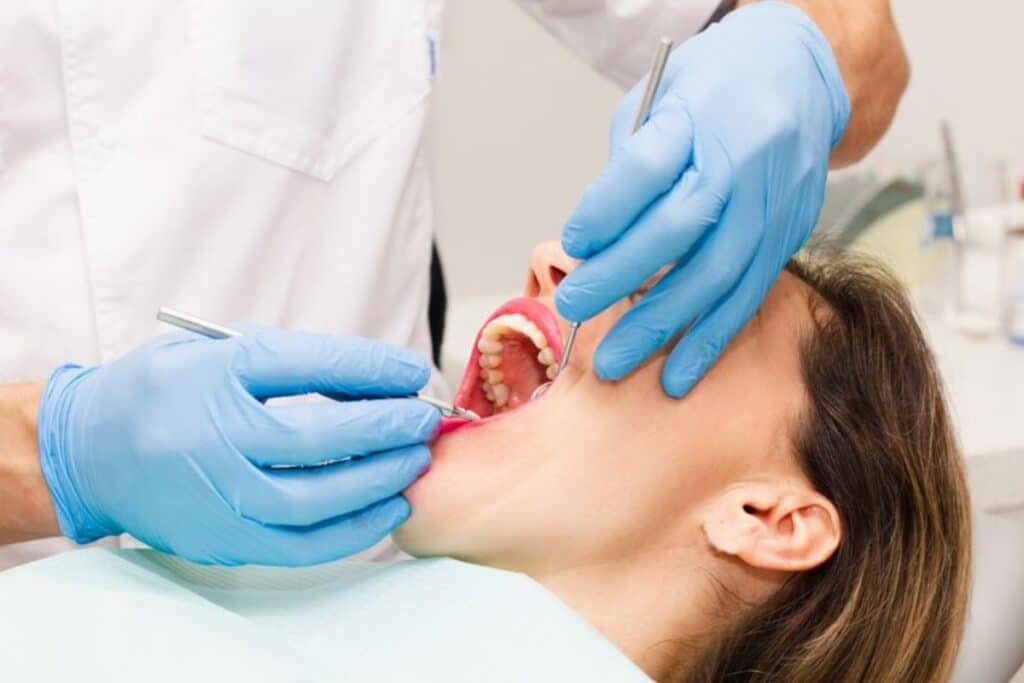
Periodontal treatment is a cornerstone of dental health, playing a critical role in maintaining the integrity of the teeth and gums. Often overlooked, the health of the gums can significantly impact overall well-being. This article delves into the importance of periodontal treatment, explaining its benefits and why it should be a priority for everyone.
What is Periodontal Disease?
Periodontal disease, commonly known as gum disease, is an inflammatory condition affecting the tissues surrounding and supporting the teeth. It begins with gingivitis, characterized by red, swollen gums that may bleed easily. If left untreated, gingivitis can progress to periodontitis, a more severe form of the disease that can lead to tooth loss.
Stages of Periodontal Disease
1. Gingivitis: The earliest stage, marked by inflammation of the gums.
2. Early Periodontitis: Slight bone loss and deeper periodontal pockets.
3. Moderate Periodontitis: Increased bone loss, mobility of teeth, and further deepening of pockets.
4. Advanced Periodontitis: Severe bone loss, significant tooth mobility, and potential tooth loss.
Benefits of Periodontal Treatment
1. Preventing Tooth Loss
One of the primary benefits of periodontal treatment is the prevention of tooth loss. Periodontal disease is a leading cause of tooth loss in adults. By treating the disease early, periodontists can preserve the natural teeth and maintain the structure of the jawbone.
2. Improving Overall Health
Periodontal health is closely linked to overall health. Research has shown connections between periodontal disease and systemic conditions such as diabetes, cardiovascular disease, and respiratory infections. By managing periodontal disease, individuals can reduce their risk of developing these serious health issues.
3. Enhancing Aesthetic Appearance
Healthy gums contribute significantly to the overall appearance of the smile. Periodontal treatment can improve the aesthetic appearance of the gums, reducing gum recession and eliminating pockets of infection. This results in a healthier, more attractive smile.
Common Periodontal Treatments
1. Scaling and Root Planing
Scaling and root planing is a non-surgical procedure that involves deep cleaning the roots of the teeth to remove plaque and tartar. This treatment helps reduce inflammation and promotes the reattachment of healthy gums to the teeth.
2. Periodontal Surgery
In more advanced cases, periodontal surgery may be necessary. Surgical options include flap surgery, where the gums are lifted back to remove tartar and then sutured back in place, and bone grafts, which help regenerate lost bone tissue.
3. Laser Therapy
Laser therapy is a minimally invasive option for treating periodontal disease. This technique uses focused light beams to remove infected tissue and promote healing. It can reduce discomfort and recovery time compared to traditional surgical methods.
4. Dental Implants
For patients who have lost teeth due to periodontal disease, dental implants offer a permanent solution. Periodontists are skilled in placing implants, which provide a stable foundation for replacement teeth that look and function like natural teeth.
Maintaining Periodontal Health
1. Regular Dental Check-Ups
Regular visits to the periodontist are essential for maintaining periodontal health. Professional cleanings can remove plaque and tartar that regular brushing and flossing miss, preventing the onset of periodontal disease.
2. Good Oral Hygiene Practices
Consistent and thorough oral hygiene practices are crucial. This includes brushing at least twice a day, flossing daily, and using mouthwash to reduce bacteria. Proper oral care helps prevent the buildup of plaque, which can lead to periodontal disease.
3. Healthy Lifestyle Choices
A healthy diet and lifestyle can also impact periodontal health. Avoiding tobacco products, managing stress, and eating a balanced diet rich in vitamins and minerals can support gum health. Foods high in sugar and starch can contribute to plaque formation, so limiting their intake is beneficial.
Periodontal treatment is vital for maintaining not only oral health but overall well-being. Periodontists play a key role in diagnosing and treating gum disease, helping to prevent tooth loss and associated health complications. By understanding the importance of periodontal care and incorporating good oral hygiene practices into daily routines, individuals can enjoy healthier gums, stronger teeth, and a brighter smile. Regular check-ups with a periodontist ensure that any signs of periodontal disease are addressed promptly, paving the way for a lifetime of dental health.