
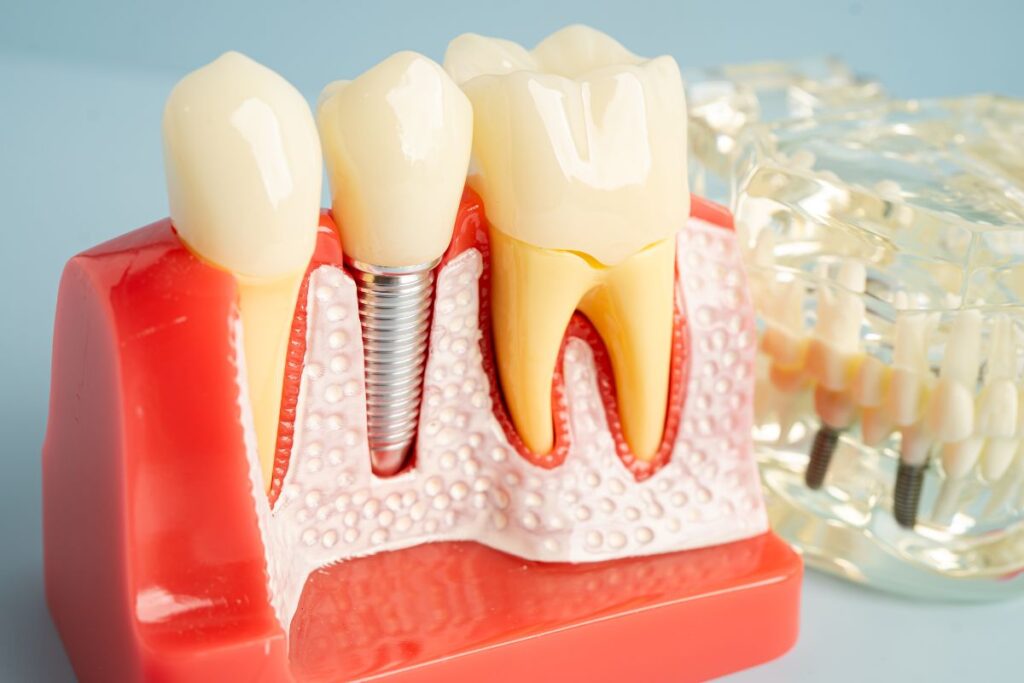
Losing a tooth can feel like a big disruption—not just to your smile, but to your everyday comfort. Whether it happens suddenly or after a planned extraction, many patients wonder what they can do while waiting for a permanent solution. One of the most common questions is whether you have to live with a gap or if there’s a temporary option available.
At Green Acres Family Dentistry, we believe in making every step of your dental journey as comfortable and stress-free as possible. If you’re considering dental implants, it’s helpful to understand what happens in between and how you can maintain both your appearance and function during the process.
Understanding the Dental Implant Timeline
Getting dental implants is a multi-step process. After a tooth is removed, your jawbone needs time to heal before the implant is placed. Once the implant is inserted, it takes a few months for it to fully bond with the bone. Only after that can the final crown be attached.
This healing period is essential for long-term success, but it also means you might be without a permanent tooth for a while. That’s where temporary solutions come in.
Why You Might Need a Temporary Tooth?
A missing tooth isn’t just about appearance. It can affect how you eat, speak, and even how your other teeth align. Many patients prefer to have a temporary tooth during the waiting period to avoid these issues.
Temporary teeth can help:
- Maintain your smile
- Prevent shifting of nearby teeth
- Support normal speech
- Allow you to eat more comfortably
Types of Temporary Tooth Options
There are several ways to replace a missing tooth temporarily. Your dentist will recommend the best option based on your needs and the location of the missing tooth.
1. Temporary Partial Denture (Flipper)
This is one of the most common options. It’s a removable appliance that fills the gap and can be taken out for cleaning.
2. Temporary Dental Bridge
A temporary bridge may be used to anchor a false tooth between neighboring teeth. It’s usually fixed in place for better stability.
3. Essix Retainer
This is a clear, removable tray with a built-in tooth. It’s a discreet option often used for front teeth.
Benefits of Temporary Teeth
Temporary teeth aren’t just about looks—they serve a real purpose in protecting your oral health during the implant process.
They help:
- Preserve your confidence in social situations
- Keep surrounding teeth in place
- Protect the healing area
- Make daily activities like eating and speaking easier
How Long Will You Need a Temporary Tooth?
The length of time varies from person to person. In most cases, patients wear a temporary tooth for a few weeks to a few months. The exact timing depends on how quickly your mouth heals and when your implant is ready for the final crown.
Your dentist will monitor your progress and guide you through each stage.
Caring for Your Temporary Tooth
Taking care of your temporary tooth is important to avoid complications.
Here are a few simple tips:
- Remove it if instructed and clean it daily
- Avoid very hard or sticky foods
- Keep your gums clean and healthy
- Follow your dentist’s care instructions closely
When Should You Talk to Your Dentist?
If you experience discomfort, looseness, or difficulty using your temporary tooth, it’s best to check in with your dentist. Adjustments can often be made quickly to improve comfort and fit.
Contact Us to Learn About Your Options
If you’re unsure which temporary solution is right for you, don’t hesitate to contact us. Our team can walk you through your options and help you feel confident about your next steps.
Get Your Smile Back on Track in Twin Falls, ID
Waiting for a permanent tooth doesn’t mean you have to go without a smile. With the right temporary solution, you can stay comfortable and confident throughout the process. If you’re exploring options for dental implants in Twin Falls and want to understand how temporary teeth can support your journey, our team is here to help every step of the way. Visit our dental office to learn more and take the next step toward a complete, healthy smile.