
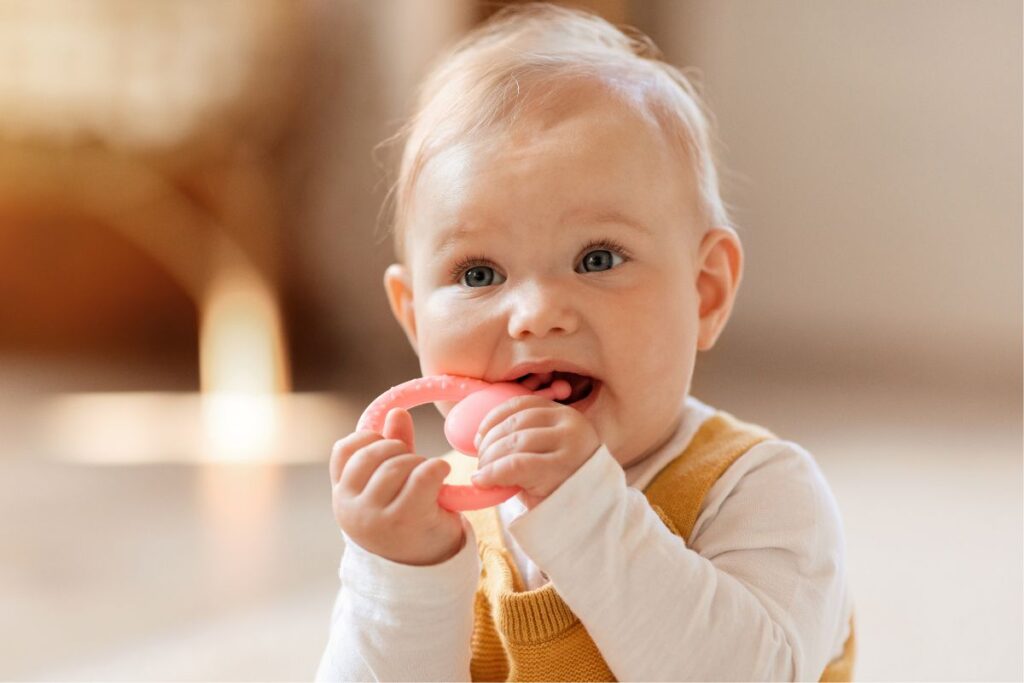
It’s never easy to see your child uncomfortable—especially when they’re too young to explain what’s wrong. Fussiness, crying, and changes in eating habits can leave parents guessing whether it’s just a normal phase or something that needs attention. One of the most common challenges is figuring out whether your child is teething or dealing with a toothache.
While both can cause discomfort, they are very different conditions that require different care. Understanding the signs can help you respond quickly and appropriately. With the right approach and consistent pediatric dental care, you can ensure your child stays comfortable and their smile develops in a healthy way.
Understanding Teething in Young Children
Teething is a natural process where a baby’s first teeth begin to emerge through the gums, usually starting around six months of age. It can continue until the toddler years as more teeth come in.
Common signs of teething include:
- Increased drooling
- Chewing on toys or fingers
- Mild irritability
- Slight swelling or tenderness in the gums
Although it can be uncomfortable, teething pain is generally mild and comes and goes. Most children can still eat, play, and sleep with only minor disruptions.
What Is a Toothache in Children?
A toothache, on the other hand, is usually a sign that something isn’t right. It may be caused by:
- Cavities
- Food stuck between teeth
- A chipped or injured tooth
- Gum irritation or infection
Unlike teething, toothaches often cause more noticeable and persistent pain. Your child may point to a specific area or react strongly when eating or brushing.
Key Differences Between Teething and Toothache
Understanding the differences can make it easier to decide what to do next:
- Pain Level: Teething discomfort is mild and manageable, while a toothache can be sharp or intense
- Duration: Teething symptoms come and go; toothache pain tends to persist or worsen
- Location: Teething affects the general gum areas, whereas a toothache is often focused on one tooth
- Additional Symptoms: Toothaches may include swelling, bad breath, or sensitivity to food and drinks
Signs That It May Be More Than Teething
Sometimes it’s clear that something more serious is going on. Watch for these signs:
- Constant crying or difficulty sleeping
- Refusal to eat or drink
- Swelling around the face or gums
- Fever that doesn’t seem related to teething
- Bad breath or visible tooth damage
These symptoms may indicate a dental issue that needs professional care.
How to Soothe Teething Discomfort at Home
If your child is teething, there are simple ways to help them feel better:
- Offer a chilled (not frozen) teething ring
- Gently massage their gums with clean fingers
- Use a cool, damp washcloth for them to chew on
Avoid using unsafe remedies or products that are not recommended for young children.
What to Do If It’s a Toothache?
If you suspect a toothache, take these steps:
- Check your child’s mouth for food particles or visible issues
- Gently clean the area
- Avoid giving very hot, cold, or sugary foods
- Monitor the pain and behavior
If the discomfort continues, it’s important to seek dental advice to address the cause early.
When to Visit a Dentist?
Regular dental visits play a key role in keeping your child’s smile healthy. Early checkups help identify small issues before they become bigger problems.
If you’re unsure whether your child is teething or experiencing a toothache, contact us for guidance and support. Getting clarity early can make a big difference in your child’s comfort and oral health.
Keeping Your Little One’s Smile Healthy and Pain-Free
Teething can be a tough phase, but with the right care and attention, you can help your child stay comfortable while protecting their growing smile. Recognizing the difference between teething and a toothache allows you to take the right steps at the right time.
At Green Acres Family Dentistry, we’re here to support your child’s oral health every step of the way. If you’re looking for a trusted pediatric dentist in Twin Falls, ID, our team provides thoughtful care designed to keep young smiles healthy and strong. Request an appointment today and let us help your child stay happy, comfortable, and pain-free.
Frequently Asked Questions
1. Can teething cause changes in my child’s sleep pattern?
Yes, mild discomfort from teething can make it harder for children to fall or stay asleep, but it usually improves quickly.
2. Is it normal for my child to chew on everything during teething?
Yes, chewing helps relieve gum pressure, which is why children often seek out objects to bite.
3. How long does teething discomfort usually last?
Teething symptoms typically last a few days per tooth before easing.
4. Can a toothache go away on its own in children?
Sometimes mild irritation may improve, but most toothaches need evaluation to prevent the issue from worsening.
5. Should I avoid brushing my child’s teeth if they seem uncomfortable?
No, continue gentle brushing to keep the area clean, even if your child is experiencing mild discomfort.