
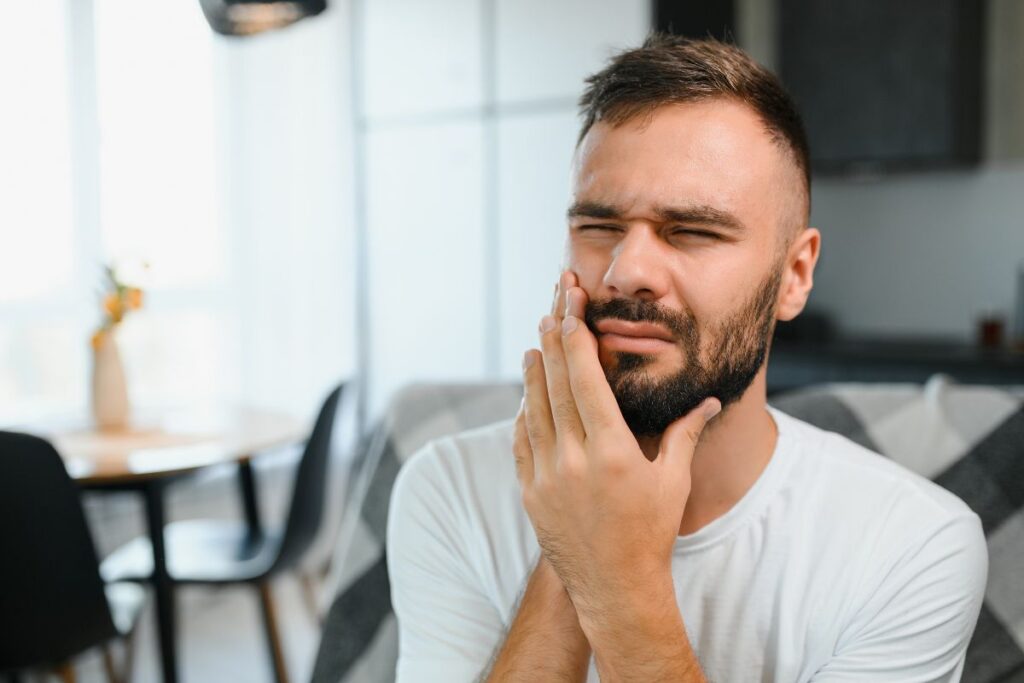
Biting into your favorite meal and feeling a sharp jolt of pain is one of those things you just can’t ignore. Maybe it happened once, and you hoped it would go away. But here you are, still wincing every time you chew on that side of your mouth. If this sounds familiar, you’re not alone — and more importantly, that discomfort is your body telling you something is wrong.
Tooth pain when biting down can range from a mild ache to a sharp, intense sensation. In some cases, it turns into a throbbing tooth pain that doesn’t fully go away even after you stop chewing. That kind of persistent pain is a clear signal that something deeper may be going on — whether it’s a crack, decay, an infection, or a problem with your bite. The good news? Once you understand what’s causing it, there are real, effective solutions that can help you eat, talk, and live without constant discomfort.
In this post, we’ll walk you through the most common reasons teeth hurt when you bite down, what those symptoms might mean, and when it’s time to stop waiting and call your dentist.
Why Does My Tooth Hurt When I Bite Down?
There isn’t just one answer to this question — several different dental problems can cause pain when you apply pressure to a tooth. Some are more urgent than others, but all of them deserve attention. Let’s go through each one so you can get a better sense of what might be happening in your mouth.
1. A Cracked or Fractured Tooth
Cracked teeth are one of the most common causes of pain when biting, and they can be surprisingly tricky to spot. The crack might not be visible to the naked eye, and it may not even show up on a standard X-ray. Yet every time you bite down, the pressure causes the crack to flex slightly, irritating the sensitive tissue inside the tooth.
You might notice that the pain is sharp and brief, often hitting hardest when you release the bite rather than when you press down. Cold drinks or sweet foods can also trigger discomfort. Cracked teeth are especially common in people who grind their teeth at night, chew on hard things like ice or pen caps, or have had large fillings in the past.
2. Tooth Decay or a Cavity
Cavities don’t always hurt right away. In fact, early-stage tooth decay often has no symptoms at all. But as decay progresses and eats deeper into the tooth structure, biting down can become painful. If the decay reaches the inner layer of the tooth — the dentin — even mild pressure can send a noticeable ache through the tooth.
Left untreated, a cavity can continue growing until it reaches the pulp — the innermost part of the tooth containing nerves and blood vessels. At that point, the pain typically becomes much more intense and persistent.
3. A Loose or Damaged Filling
If you’ve had a filling placed in a tooth before, that filling can wear down, crack, or even come loose over time. When that happens, the area underneath is exposed. Biting down concentrates pressure on a tooth structure that’s no longer properly supported, and that can cause significant pain.
You might also notice sensitivity to temperature or a rough edge where the filling used to be smooth. A damaged filling should be replaced fairly promptly to prevent bacteria from getting underneath and causing new decay.
4. A Dental Abscess
An abscess is a pocket of infection that forms at the root of a tooth or in the surrounding gum tissue. It often develops as a result of untreated tooth decay or a crack that allows bacteria to reach the inner tooth. An abscessed tooth tends to cause a severe, throbbing pain that can radiate to your jaw, ear, or neck. You may also notice swelling in your face or gums, a fever, or a bad taste in your mouth.
This is one situation where you should not wait. A dental abscess is a serious infection, and in rare cases, it can spread to other parts of the body. If you’re experiencing these symptoms, contact your dentist as soon as possible.
5. Gum Disease
Gum disease — or periodontal disease — affects the soft tissue and bone supporting your teeth. In the early stage, called gingivitis, your gums may bleed when you brush and feel tender or swollen. As gum disease advances to periodontitis, the bone around your teeth begins to break down. This can cause teeth to shift, loosen, or become painful when pressure is applied.
Many people don’t realize they have gum disease because the early stages are often painless. Regular dental check-ups are one of the best ways to catch it before it causes serious damage.
6. A High or Misaligned Bite
Sometimes the cause of bite pain isn’t decay or infection at all — it’s simply that a tooth is hitting in the wrong place. This can happen after a filling, crown, or other dental work when the restoration is set slightly too high. Even a fraction of a millimeter can change how your teeth come together, and over time, that uneven pressure causes discomfort.
This is usually an easy fix. Your dentist can adjust the surface of the restoration to bring your bite back into balance, and the pain typically resolves quickly after that.
Not sure what’s causing your tooth pain?
Contact us to schedule an evaluation. We’ll help you find the source of your discomfort and talk through your options — no pressure, no guesswork.
What Does It Mean If the Pain Comes and Goes?
Intermittent tooth pain is quite common and can make people feel the problem isn’t that serious. But pain that comes and goes is still pain that’s trying to tell you something. In fact, some dental problems are more detectable in early stages precisely because they cause occasional discomfort — before the problem becomes severe enough to hurt constantly.
If your tooth hurts only when you bite in a certain direction, it might point to a hairline crack. If the pain spikes with cold drinks but fades quickly, it could suggest mild sensitivity or early decay. If you feel a dull ache that seems to ease and then return without any obvious cause, an early infection or developing abscess might be the reason.
The takeaway here is simple: don’t wait for the pain to become unbearable before you do something about it. Catching these problems early almost always means simpler, less expensive treatment.
Symptoms You Should Never Ignore
While some tooth pain can wait a few days for a scheduled appointment, there are certain symptoms that call for prompt dental care. Reach out to your dentist right away if you experience any of the following:
- Swelling in your jaw, face, or gums that doesn’t go away
- Pain that radiates to your ear, neck, or head
- A fever combined with dental pain
- A visible bump or pimple on your gum near a painful tooth
- Prolonged sensitivity that lasts more than 30 seconds after eating or drinking something hot or cold
- A loose tooth in an adult
- Pain so severe that it’s affecting your ability to sleep, eat, or function normally
These symptoms, especially when they occur together, suggest the tooth pain has moved beyond a minor issue. For patients in Twin Falls, ID, seeking a trusted dentist who can provide same-day or urgent evaluations, visiting our dental office as soon as possible is the right move.
How Is Tooth Pain When Biting Down Treated?
Treatment depends entirely on what’s causing the pain. There’s no one-size-fits-all answer, which is why a proper dental exam — including X-rays — is so important. Here’s a general idea of what treatment looks like for each of the common causes:
- Cracked tooth: Depending on the severity of the crack, treatment may range from a dental crown to protect the tooth, to a root canal if the crack has reached the pulp, to tooth extraction in the most severe cases.
- Cavity: A filling is usually all that’s needed for early-to-mid-stage decay. More advanced decay may call for a crown or root canal.
- Damaged filling: The old filling is removed and replaced with a new one. In some cases, a crown provides better long-term protection.
- Abscess: Treatment typically involves draining the infection, antibiotics, and either a root canal or tooth extraction, depending on how much the tooth can be saved.
- Gum disease: Early-stage gum disease can often be managed with a deep cleaning called scaling and root planing. Advanced cases may require more involved periodontal treatment.
- Bite issues: A simple bite adjustment is usually quick and painless, and relief often comes within a day or two.
Can I Do Anything at Home to Ease the Pain?
Home remedies can offer temporary relief, but they won’t fix whatever’s causing the pain. Think of them as a bridge — something to help you get through the next few hours or overnight until you can see your dentist.
Over-the-counter pain relievers like ibuprofen or acetaminophen can reduce discomfort and help with inflammation. Avoid chewing on the painful side and steer clear of very hot, cold, or sweet foods that might aggravate the tooth. Rinsing gently with warm salt water can help keep the area clean if you suspect an infection.
What you should avoid: don’t place aspirin directly on the gum tissue (it can burn), and don’t try to diagnose or treat the problem yourself. Home care is just that — temporary care. It’s not a substitute for professional treatment.
Stop Living With Tooth Pain — Visit Green Acres Family Dentistry
Tooth pain when biting down is more than just an inconvenience. It’s a sign that something in your mouth needs attention — and the longer it goes untreated, the more involved the solution tends to be. Whether you’re dealing with a cracked tooth, a failing filling, or the early signs of an infection, getting the right diagnosis is the first step toward feeling better.
At our dental office, we understand that dental discomfort can affect everything — your appetite, your sleep, and your quality of life. Our team is committed to getting to the bottom of your pain and offering clear, honest guidance on your treatment options. Whether you’re looking for a reliable dentist in Twin Falls who can help with a sudden issue or you’ve been putting off dental care for a while and finally want answers, we’re here for you.
Don’t wait for the pain to get worse. Request an appointment — and take the first step toward a healthier, pain-free smile.
FAQs About Tooth Pain
Q1: Can teeth hurt when biting down, even if there’s no visible damage or cavity?
Yes, absolutely. A hairline crack, early-stage gum disease, or a bite alignment issue may not show any visible signs but can still cause real pain when pressure is applied. This is exactly why a professional dental exam — including X-rays and a thorough check of your bite — is so important. The cause isn’t always something you can see in the mirror.
Q2: Is it normal for a tooth to be sensitive after getting a filling?
Some sensitivity after a filling is normal and usually fades within a week or two. However, if the pain when biting down is persistent, sharp, or seems to be getting worse rather than better, it’s worth calling your dentist. The filling may need a small adjustment to bring your bite back into proper alignment, or the tooth may need further evaluation.
Q3: Can grinding my teeth at night cause pain when biting during the day?
Yes. Bruxism — the habit of grinding or clenching your teeth, often during sleep — puts an enormous amount of stress on your teeth and jaw joints. Over time, it can wear down enamel, cause cracks, and lead to soreness in the teeth and jaw muscles. If you wake up with jaw pain or headaches, or notice your teeth look flatter or shorter than they used to, talk to your dentist about a night guard.
Q4: How long can I wait before seeing a dentist about bite pain?
It depends on how severe the symptoms are. If you have mild, occasional discomfort with no swelling, fever, or other warning signs, scheduling an appointment within the next few days is reasonable. But if the pain is severe, constant, or accompanied by swelling or a fever, don’t wait — contact your dental office that day. Dental infections in particular can worsen quickly.
Q5: Could my tooth pain be related to sinus congestion rather than a dental issue?
It’s possible. The roots of your upper back teeth sit very close to the sinus cavities. When your sinuses are inflamed or congested — whether from a cold, allergies, or a sinus infection — the pressure can create an aching sensation in the upper teeth that feels a lot like tooth pain. However, sinus-related tooth discomfort tends to affect several upper teeth at once rather than just one, and it usually comes alongside nasal symptoms. If you’re unsure, a dentist can help rule out a dental cause.