
Missing teeth can affect more than just your appearance. They can impact your ability to eat, speak, and feel confident in your smile. If you’re considering dental implants, one of the most common questions you may have is: how long do dental implants last?
The good news is that dental implants are one of the most durable and reliable tooth replacement options available today. With proper care and regular dental visits, many implants can last for decades and even a lifetime.
If you’re exploring dental implants treatment in Twin Falls, understanding what affects implant longevity can help you make an informed decision about your oral health.
Quick Answer
How long do dental implants last? Dental implants can last 20 years or longer, and many last a lifetime with proper care. While the implant post itself is designed to be permanent, the crown attached to the implant may need replacement after 10 to 15 years due to normal wear and tear.
What Are Dental Implants?
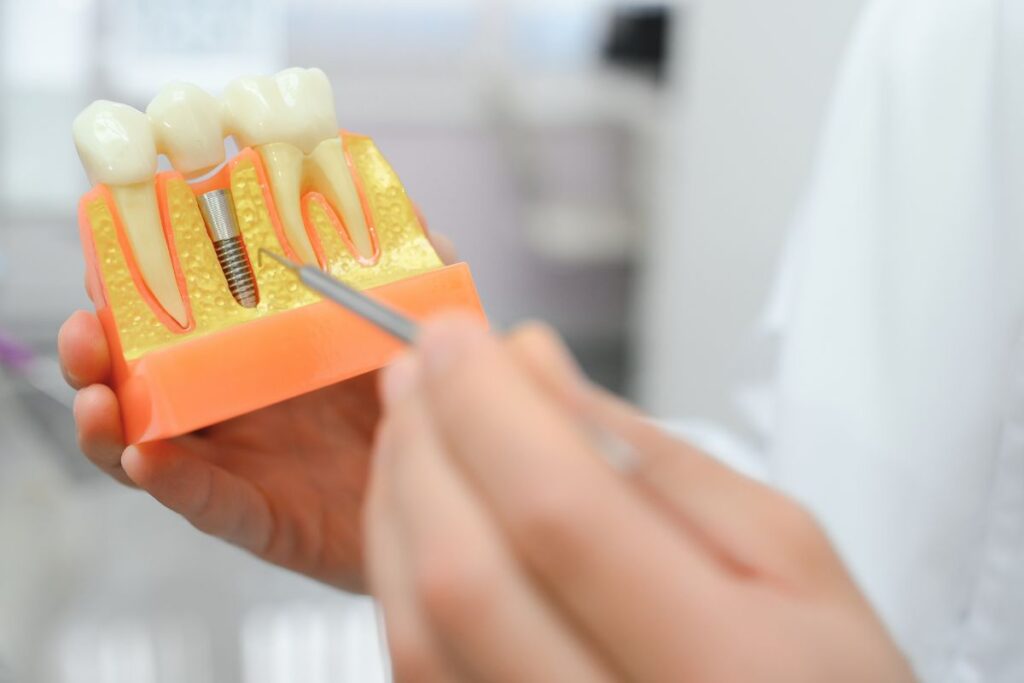
Dental implants are artificial tooth roots made from biocompatible materials, typically titanium. They are surgically placed into the jawbone to support replacement teeth such as crowns, bridges, or dentures.
A complete dental implant restoration consists of three main parts:
- The implant post
- The abutment connector
- The custom dental crown
Together, these components create a strong, natural-looking tooth replacement that functions much like a natural tooth.
How Long Do Dental Implants Last?
One reason dental implants are so popular is their exceptional longevity.
In many cases:
- The implant post can last a lifetime.
- The dental crown may last 10 to 15 years or longer.
- Patients who maintain excellent oral hygiene often enjoy decades of successful implant function.
Research has consistently shown high success rates for dental implants, often exceeding 95% when placed and maintained properly.
However, longevity depends on several important factors.
Factors That Affect Dental Implant Lifespan
Oral Hygiene Habits
Good oral hygiene is one of the biggest contributors to implant success.
Patients should:
- Brush twice daily
- Floss around implants every day
- Use recommended cleaning tools
- Attend regular dental checkups
Poor oral hygiene can lead to peri-implant disease, a condition similar to gum disease that can threaten implant stability.
Gum and Bone Health
Healthy gums and adequate jawbone support are essential for long-term implant success.
Conditions that may affect implant lifespan include:
- Gum disease
- Bone loss
- Untreated oral infections
Your dentist will evaluate these factors before recommending treatment.
Lifestyle Habits
Certain habits can shorten the lifespan of dental implants.
Examples include:
- Smoking or tobacco use
- Excessive alcohol consumption
- Teeth grinding (bruxism)
- Chewing hard objects like ice or pens
Reducing these risks can significantly improve implant longevity.
Overall Health
Medical conditions can influence healing and long-term success.
Examples include:
- Uncontrolled diabetes
- Autoimmune disorders
- Certain medications that affect bone health
A comprehensive dental evaluation helps identify potential concerns before treatment begins.
Signs Your Dental Implant Is Healthy
Most patients enjoy years of trouble-free function with their implants.
Healthy dental implants typically have:
- Stable positioning
- Healthy surrounding gums
- No pain or discomfort
- Comfortable chewing function
- Natural appearance
Routine dental visits help monitor implant health and identify any issues early.
Can Dental Implants Fail?
Although dental implants have an excellent success rate, complications can occur.
Possible causes of implant failure include:
Early Failure
This may happen during the healing phase due to:
- Infection
- Poor healing
- Insufficient bone integration
Late Failure
Years after placement, implants can be affected by:
- Gum disease
- Bone loss
- Excessive bite pressure
- Poor oral hygiene
Fortunately, regular dental care significantly reduces these risks.
How to Make Dental Implants Last Longer
Patients often ask what they can do to protect their investment. Following proper aftercare instructions during the healing phase is especially important, and understanding the recovery time for dental implants can help set realistic expectations and support long-term success.
Here are some practical tips:
Maintain Excellent Oral Hygiene
Consistent home care is essential.
Remember to:
- Brush carefully around the implant
- Floss daily
- Use antimicrobial rinses if recommended
Visit Your Dentist Regularly
Professional cleanings and examinations allow your dental team to monitor implant health and address concerns before they become serious.
Protect Against Teeth Grinding
If you grind your teeth at night, a custom night guard may help prevent excessive pressure on your implants and natural teeth.
Avoid Smoking
Smoking is one of the leading risk factors for implant complications. Quitting can greatly improve both oral health and implant longevity.
Are Dental Implants Worth the Investment?
Because implants can last for decades, many patients find them to be a cost-effective long-term solution.
Benefits include:
- Natural appearance
- Improved chewing ability
- Jawbone preservation
- Enhanced confidence
- Long-lasting results
Unlike some traditional tooth replacement options, implants help maintain the health and structure of the jawbone.
Conclusion
If you’ve been wondering how long do dental implants last, the answer is encouraging. With proper placement, good oral hygiene, and routine dental care, dental implants can provide reliable function and a beautiful smile for decades.
At Green Acres Family Dentistry, we are proud to help patients in Twin Falls, ID restore their smiles with durable, natural-looking dental implant solutions.
Ready to learn whether dental implants are right for you? Call +1 (208) 928-9033 today to schedule your consultation and take the next step toward a healthier, more confident smile.
Want to stay updated with the latest dental tips, office announcements, and patient success stories? Visit our Google Business Profile to see recent updates and reviews from local patients(opens in new tab) and learn more about our commitment to quality dental care in Twin Falls.
FAQs
How long do dental implants last compared to dentures?
Dental implants generally last much longer than traditional dentures. While dentures often require adjustments or replacement every 5 to 10 years, implant posts can last decades or even a lifetime with proper care.
Can a dental implant last forever?
The implant post itself may last a lifetime for many patients. However, the crown attached to the implant may eventually need replacement due to normal wear and tear.
What is the success rate of dental implants?
Dental implants have a success rate of approximately 95% or higher when placed by qualified professionals and maintained with good oral hygiene and regular dental visits.
Does age affect dental implant longevity?
Age alone is not usually a limiting factor. Healthy adults of various ages can enjoy long-lasting implant results if they have sufficient bone support and maintain good oral health.
How do I know if my dental implant is failing?
Warning signs may include pain, swelling, gum recession, implant mobility, or difficulty chewing. Contact your dentist promptly if you notice any of these symptoms.
Are dental implants difficult to maintain?
No. Dental implants are cared for much like natural teeth. Daily brushing, flossing, and regular professional cleanings are usually sufficient to maintain implant health.