
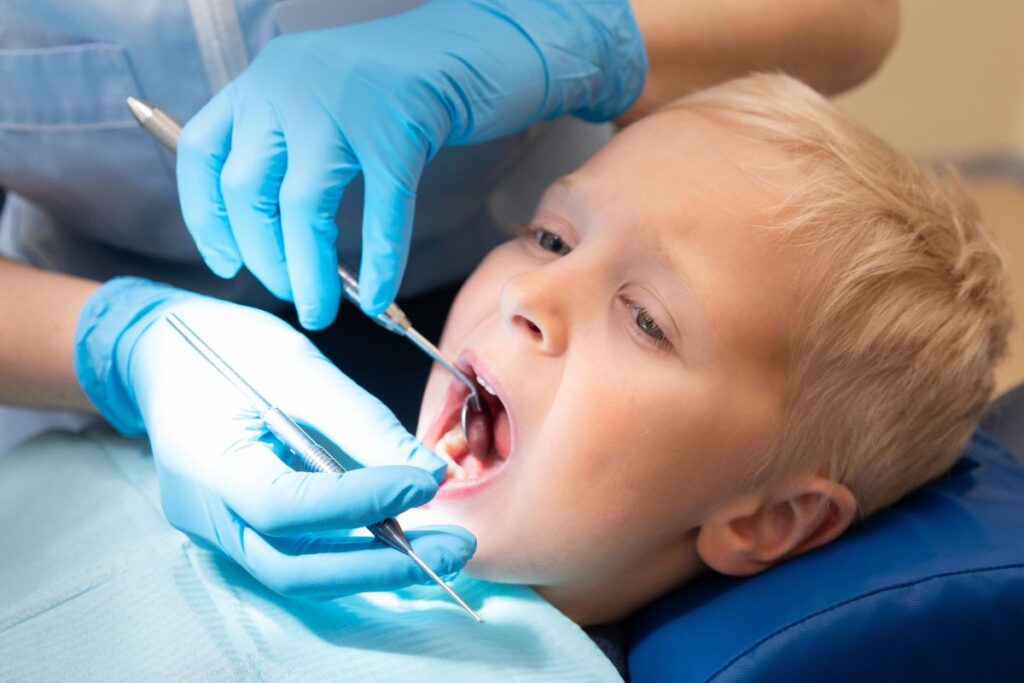
As a parent, keeping your child’s smile healthy is an important part of their overall well-being. However, cavities in children remain one of the most common childhood health concerns in the United States. Even with regular brushing, tooth decay can develop when bacteria, sugars, and poor oral hygiene combine to damage tooth enamel.
For families in Twin Falls, understanding what causes cavities and how to prevent them can help protect your child’s teeth and avoid more extensive dental treatment in the future. In this guide, we’ll explain the causes of cavities, prevention strategies, treatment options, and when to visit a trusted dental professional.
Quick Answer
Cavities in children occur when bacteria in the mouth produce acids that weaken tooth enamel. Regular brushing, flossing, healthy eating habits, fluoride use, and routine dental visits can help prevent tooth decay. Early treatment is important to protect developing teeth and maintain long-term oral health.
What Are Cavities in Children?
A cavity is a permanently damaged area in a tooth that develops into a small hole or opening. Cavities form when plaque, a sticky film of bacteria builds up on teeth and feeds on sugars from food and drinks.
The bacteria produce acids that gradually wear away tooth enamel. Without treatment, cavities can grow larger, causing pain, infection, and damage to both baby teeth and permanent teeth.
Although baby teeth eventually fall out, they play an important role in speech development, chewing, and guiding permanent teeth into proper position.
What Causes Cavities in Children?
Several factors contribute to tooth decay in children.
Frequent Consumption of Sugary Foods and Drinks
Children often enjoy snacks and beverages that contain sugar. Common culprits include:
- Candy
- Cookies
- Fruit snacks
- Juice
- Sports drinks
- Soda
When sugar remains on teeth, cavity-causing bacteria use it as fuel to produce harmful acids.
Poor Oral Hygiene Habits
Children who do not brush and floss regularly are more likely to develop plaque buildup. Over time, plaque hardens and increases the risk of decay.
Inadequate Fluoride Exposure
Fluoride helps strengthen enamel and makes teeth more resistant to acid attacks. Children who receive insufficient fluoride may be more vulnerable to cavities.
Dry Mouth
Saliva helps wash away food particles and neutralize acids. Reduced saliva production can increase cavity risk.
Deep Grooves in Teeth
Molars often have natural pits and grooves where food and bacteria can become trapped, making them more difficult to clean effectively.
Signs and Symptoms of Cavities in Children
Early cavities may not cause noticeable symptoms. As decay progresses, parents may observe:
- White, brown, or black spots on teeth
- Tooth sensitivity
- Pain when eating sweets
- Discomfort when chewing
- Persistent bad breath
- Swelling around a tooth
Regular dental checkups can help identify cavities before symptoms become severe.
How to Prevent Cavities in Children
Prevention is the most effective way to protect your child’s smile. Understanding common dental problems in kids can also help parents take proactive steps to reduce the risk of cavities and other oral health issues.
Establish Good Brushing Habits
Children should brush:
- Twice daily
- For two minutes each time
- Using fluoride toothpaste
Parents should supervise brushing until children develop proper technique.
Encourage Daily Flossing
Flossing removes plaque and food debris from between teeth where toothbrushes cannot reach.
Choose Tooth-Friendly Foods
A balanced diet supports oral health. Encourage:
- Fresh fruits and vegetables
- Cheese and yogurt
- Lean proteins
- Water instead of sugary beverages
Limiting sugary snacks can significantly reduce cavity risk.
Schedule Regular Dental Visits
Routine dental exams allow dentists to detect problems early and provide preventive treatments before decay worsens. Regular visits to a kid’s dentist in Twin Falls can also help identify potential concerns and support your child’s long-term oral health.
Consider Dental Sealants
Dental sealants are thin protective coatings applied to chewing surfaces of molars. They help block food particles and bacteria from settling into deep grooves.
Use Fluoride Treatments
Professional fluoride applications strengthen enamel and help reverse very early stages of tooth decay.
Treatment Options for Cavities in Children
When cavities develop, prompt treatment helps prevent further damage.
Dental Fillings
For small to moderate cavities, the decayed portion of the tooth is removed and replaced with a tooth-colored filling material.
Benefits include:
- Restoring tooth function
- Preventing further decay
- Preserving natural tooth structure
Dental Crowns
If a cavity is large or has weakened the tooth significantly, a crown may be recommended to protect and strengthen the tooth.
Pulp Therapy
When decay reaches the inner nerve tissue, pulp therapy may help save the affected baby tooth and prevent premature tooth loss.
Tooth Extraction
In severe cases where a tooth cannot be restored, extraction may be necessary. Your dentist may recommend a space maintainer to preserve proper tooth alignment.
Are Baby Teeth Cavities Really a Big Deal?
Yes. Some parents assume cavities in baby teeth are less important because these teeth eventually fall out. However, untreated decay can lead to:
- Pain and discomfort
- Difficulty eating
- Speech development issues
- Infection
- Premature tooth loss
- Problems with permanent tooth development
Treating cavities early helps maintain your child’s oral health and overall quality of life.
What Does Cavity Treatment Cost?
The cost of cavity treatment varies depending on:
- The severity of decay
- Type of treatment needed
- Number of affected teeth
- Insurance coverage
Preventive care is generally much less expensive than treating advanced decay. Regular dental visits can help families avoid more extensive and costly procedures later.
Frequently Asked Questions
How common are cavities in children?
Cavities are one of the most common chronic childhood conditions in the United States. Many children develop tooth decay during their early years, making preventive dental care especially important.
At what age should my child start seeing a dentist?
Children should visit a dentist by their first birthday or within six months after their first tooth appears. Early visits help identify potential concerns and establish healthy habits.
Can cavities in children heal on their own?
Once a cavity forms and creates a hole in the tooth, it cannot heal naturally. However, very early enamel damage may sometimes be reversed with fluoride treatments and improved oral hygiene.
Are dental sealants safe for children?
Yes. Dental sealants are a safe and effective preventive treatment that helps protect molars from decay. They are commonly recommended for school-aged children.
How often should children have dental checkups?
Most children should visit the dentist every six months for routine examinations and cleanings. Your dentist may recommend more frequent visits based on individual needs.
What should I do if my child complains about tooth pain?
Schedule a dental appointment as soon as possible. Tooth pain may indicate decay, infection, or another dental issue that requires professional evaluation and treatment.
Conclusion
Cavities in children can affect more than just teeth, they can impact comfort, nutrition, speech, and long-term oral health. Fortunately, most cavities can be prevented through consistent brushing, flossing, healthy eating habits, fluoride protection, and regular dental visits.
If you’re concerned about cavities in children or searching for a reliable kids’ dentist in Twin Falls, Green Acres Family Dentistry is here to help. Our team provides compassionate, family-focused dental care designed to keep young smiles healthy and confident.
Call us today at +1 (208) 928-9033 to schedule your child’s dental appointment and take the next step toward lifelong oral health.
Want to stay updated with the latest dental tips, office announcements, and patient success stories? See patient reviews on Google(opens in new tab) and learn why local families trust Green Acres Family Dentistry for their dental care needs.