
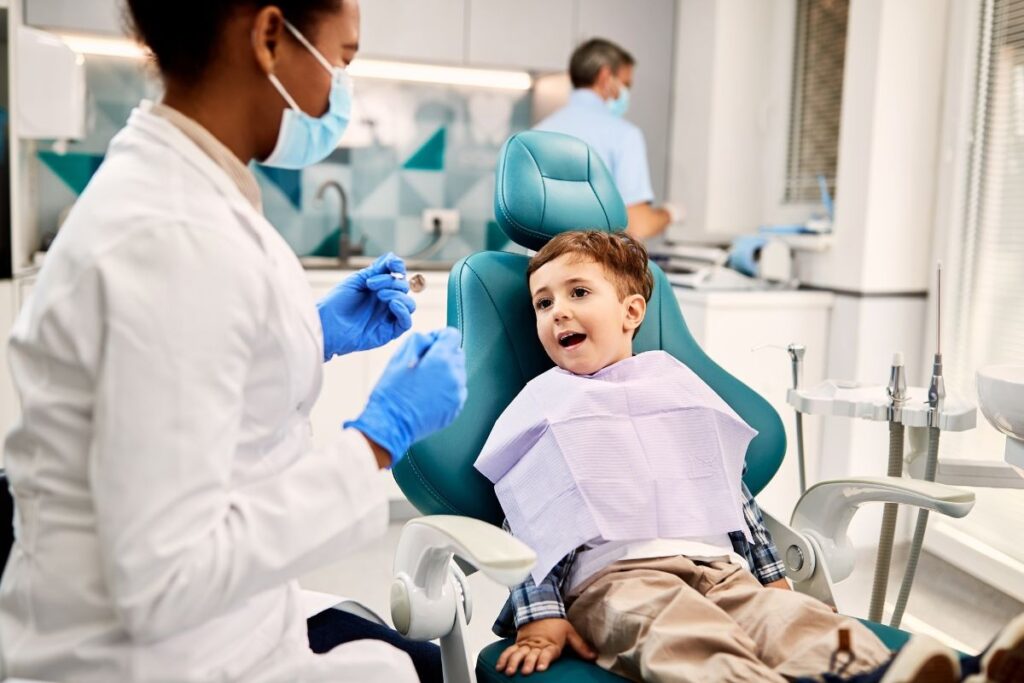
Parents want their children to grow up with healthy, confident smiles, but cavities in children remain one of the most common childhood health concerns in the United States. Even with regular brushing, kids can still develop tooth decay due to diet, oral hygiene habits, and other factors.
If you’re raising a family in Twin Falls, ID, understanding how cavities develop and knowing when to seek professional care can help prevent bigger dental problems in the future. Visiting a pediatric dentist in Twin Falls early and regularly gives your child the best chance of maintaining healthy teeth throughout childhood.
Quick Answer
Cavities in children occur when bacteria in the mouth feed on sugars and produce acids that weaken tooth enamel. Early treatment, good brushing habits, fluoride, healthy nutrition, and regular dental checkups can prevent tooth decay from becoming painful or causing long-term damage.
What Are Cavities in Children?
Cavities, also called dental caries or tooth decay, are permanently damaged areas in a tooth that develop into small holes. They can affect baby teeth as well as permanent teeth.
Although baby teeth eventually fall out, they play an important role in:
- Helping children chew comfortably
- Supporting speech development
- Holding space for adult teeth
- Promoting proper jaw growth
Untreated cavities can lead to discomfort, infection, and difficulties eating or speaking.
What Causes Cavities in Children?
Several everyday habits increase the risk of tooth decay.
Poor Oral Hygiene
When plaque isn’t removed through daily brushing and flossing, bacteria produce acids that attack tooth enamel.
Sugary Foods and Drinks
Frequent consumption of:
- Candy
- Cookies
- Fruit snacks
- Soda
- Juice
- Sports drinks
provides fuel for cavity-causing bacteria.
Frequent Snacking
Constant snacking exposes teeth to acid attacks throughout the day, giving enamel less time to recover.
Inadequate Fluoride
Fluoride strengthens enamel and helps reverse early tooth decay. Children who don’t receive enough fluoride may have a greater risk of cavities.
Deep Tooth Grooves
Molars often have tiny grooves that trap food particles and bacteria, making them harder to clean.
Warning Signs of Cavities in Children
Cavities don’t always cause pain at first. That’s why routine dental visits are so important.
Watch for signs such as:
- White or brown spots on teeth
- Tooth sensitivity
- Toothache
- Pain when chewing
- Bad breath
- Visible holes or pits
- Swollen gums near a tooth
- Avoiding certain foods
If your child complains about tooth discomfort, it’s best to schedule an examination promptly.
How Dentists Treat Cavities
Treatment depends on how early the cavity is found.
Fluoride Treatment
Very early enamel damage may improve with professional fluoride treatments that help strengthen the tooth.
Dental Fillings
Small cavities are typically repaired using tooth-colored fillings that restore both function and appearance.
Dental Crowns
When decay is extensive, a pediatric crown may protect and strengthen the tooth.
Pulp Therapy
If decay reaches the inner nerve, treatment may be necessary to preserve the tooth until it naturally falls out.
Tooth Extraction
In severe situations where the tooth cannot be saved, removal may be recommended to protect surrounding teeth and oral health.
Early treatment is usually simpler, less invasive, and more comfortable for children.
How to Prevent Cavities in Children
Preventing cavities starts with healthy habits at home and regular dental care. For more expert tips on keeping your child’s smile healthy, check out our kids’ dental care guide before following these prevention strategies.
Encourage Daily Brushing
Children should:
- Brush twice daily
- Use fluoride toothpaste
- Brush for two minutes
- Receive supervision until they can brush effectively on their own
Floss Every Day
Floss removes plaque and food particles between teeth where toothbrushes cannot reach.
Offer Tooth-Friendly Foods
Healthy choices include:
- Cheese
- Yogurt
- Apples
- Carrots
- Celery
- Nuts (age appropriate)
- Water instead of sugary beverages
Limit Sugary Treats
Enjoy sweets occasionally rather than frequent snacking throughout the day.
Schedule Regular Dental Checkups
Routine cleanings and examinations help identify small problems before they become larger ones.
How Much Does Cavity Treatment Cost?
The cost depends on several factors, including:
- The size of the cavity
- Type of treatment needed
- Insurance coverage
- Number of affected teeth
Treating cavities early is generally more affordable than waiting until more extensive treatment becomes necessary.
When Should You Schedule a Dental Visit?
Don’t wait until your child experiences severe pain.
Schedule an appointment if you notice:
- Persistent tooth sensitivity
- Tooth discoloration
- Visible holes
- Swollen gums
- Complaints of tooth pain
- Difficulty chewing
Early evaluation often leads to easier treatment and better long-term oral health outcomes.
Frequently Asked Questions
How common are cavities in children?
Cavities are among the most common chronic childhood conditions in the United States. Many children develop at least one cavity before reaching their teenage years, making preventive dental care especially important.
Can baby teeth get cavities?
Yes. Baby teeth are vulnerable to decay just like permanent teeth. Treating cavities early helps protect your child’s comfort, speech development, nutrition, and the proper spacing of adult teeth.
At what age should my child first visit the dentist?
Most dental professionals recommend scheduling a child’s first dental visit by their first birthday or within six months after the first tooth appears. Early visits help monitor development and establish healthy habits.
Are tooth-colored fillings safe for children?
Yes. Tooth-colored composite fillings are commonly used to restore small cavities while blending naturally with the surrounding tooth. Your dentist will recommend the most appropriate material for your child’s specific needs.
Can cavities heal without treatment?
Very early enamel changes may improve with fluoride and better oral hygiene. However, once a cavity forms a hole in the tooth, professional treatment is usually necessary to stop the decay from progressing.
Conclusion
Protecting your child from cavities in children starts with healthy daily habits, balanced nutrition, and routine dental visits. Catching tooth decay early can help prevent discomfort, preserve healthy smiles, and reduce the need for more extensive treatment later.
If your child is showing signs of tooth decay or it’s simply time for a routine checkup, the caring team at Green Acres Family Dentistry is here to help families throughout Twin Falls with personalized pediatric dental care.
Call +1 2089289033 today to schedule your child’s appointment and help keep their smile healthy for years to come.
Want to stay informed about helpful dental tips, office updates, and patient experiences? Read reviews from local families(opens in new tab) to see what patients are saying about Green Acres Family Dentistry, explore recent updates, and learn how we proudly serve families throughout Twin Falls.