
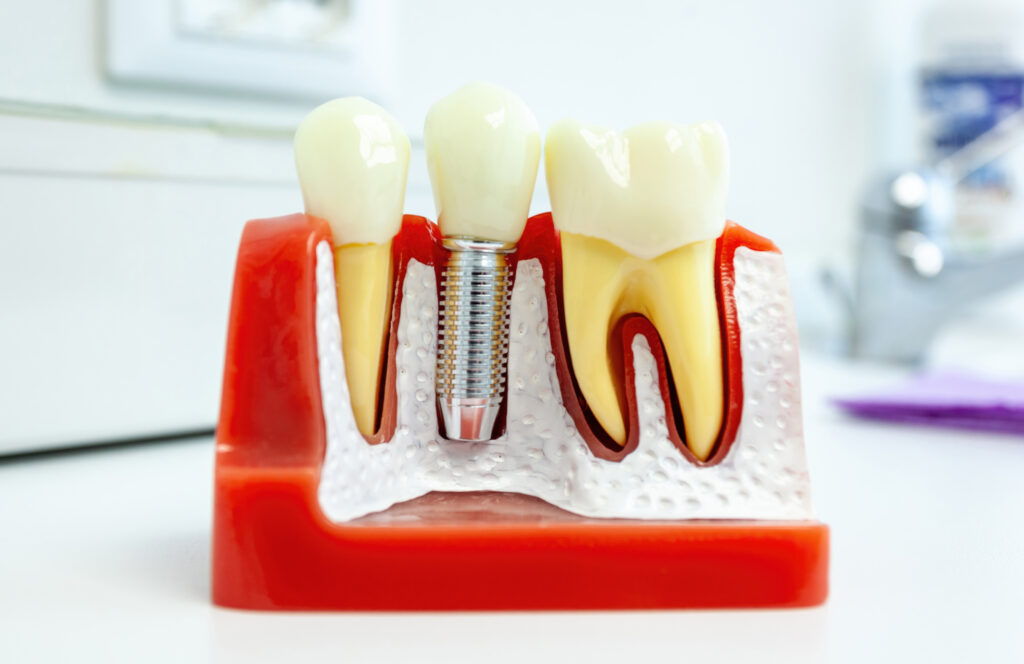
Dental implants are one of the most effective ways to replace missing teeth. They offer durability, function, and a natural appearance. However, if you’re considering getting dental implants in the upper jaw, especially near the back molars, you may have heard concerns about sinus problems. So, what’s the truth behind this? Can dental implants really lead to sinus complications?
Let’s break it down so you can make a confident, informed decision.
The Connection Between Implants and Sinuses
Your upper jaw is closely located beneath your sinus cavities. These are air-filled spaces located behind your cheekbones and forehead. When teeth in the upper back jaw are lost, the bone in that area tends to shrink over time. As a result, the sinus floor may drop closer to the jawbone, reducing the space available for placing a dental implant.
If not planned properly, a dental implant placed in the upper jaw can potentially protrude into the sinus cavity. This could lead to a number of sinus-related problems such as:
- Sinus infections
- Nasal congestion or pressure
- Headaches or facial pain
- Post-nasal drip or drainage
How Common Are Sinus Problems After Implants?
Thankfully, sinus problems related to dental implants are uncommon when an experienced dentist or oral surgeon performs your procedure. Proper imaging, like 3D CT scans, allows your dental provider to assess your anatomy and determine if you have enough bone height to support the implant without touching the sinus.
A sinus lift procedure may be recommended when bone height is insufficient. This surgical procedure gently lifts the sinus membrane and adds bone graft material to create a stable foundation for your implant.
So, while the risk is real, it’s highly manageable with the proper planning.
Symptoms to Watch For After Dental Implant Placement
If you’ve had an implant placed in the upper jaw, especially in the molar or premolar area, here are a few signs to look out for in the weeks following surgery:
- Persistent nasal congestion
- A feeling of pressure around your cheeks or forehead
- Drainage from the nose that tastes or smells bad
- Discomfort that doesn’t improve with time
If you experience any of these, you must contact your dental provider immediately. They can evaluate you and determine if the implant is affecting your sinus.
Prevention and Proper Planning
For patients considering dental implants in Twin Falls, this treatment remains a safe and reliable option when placed by trained professionals. During the planning phase, your dentist will evaluate the amount of available bone and assess the proximity of your sinuses. A sinus lift or bone graft can be performed to create a secure foundation and minimize the risk of complications if necessary.
It’s important to note that not all patients will require these additional procedures. Some individuals naturally have thicker bone between the upper jaw and the sinus cavity, which makes implant placement more straightforward.
Even if you were previously told that you weren’t a candidate for dental implants due to sinus position or bone loss, advancements in modern dental technology may now make treatment viable. Today’s dental professionals use 3D imaging and digital planning tools to ensure precise placement and long-term implant success.
Conclusion
While there is a slight risk of sinus complications after receiving dental implants in the upper jaw, these issues are uncommon with proper care and planning. If you’ve been considering dental implants, working with a dental team that understands the unique anatomy of your jaw and sinuses is essential.
At Green Acres Family Dentistry, our experienced team is here to guide you through every step from evaluation and planning to placement and aftercare.
Request an appointment today to explore your options and get personalized care for a healthier, more confident smile!