
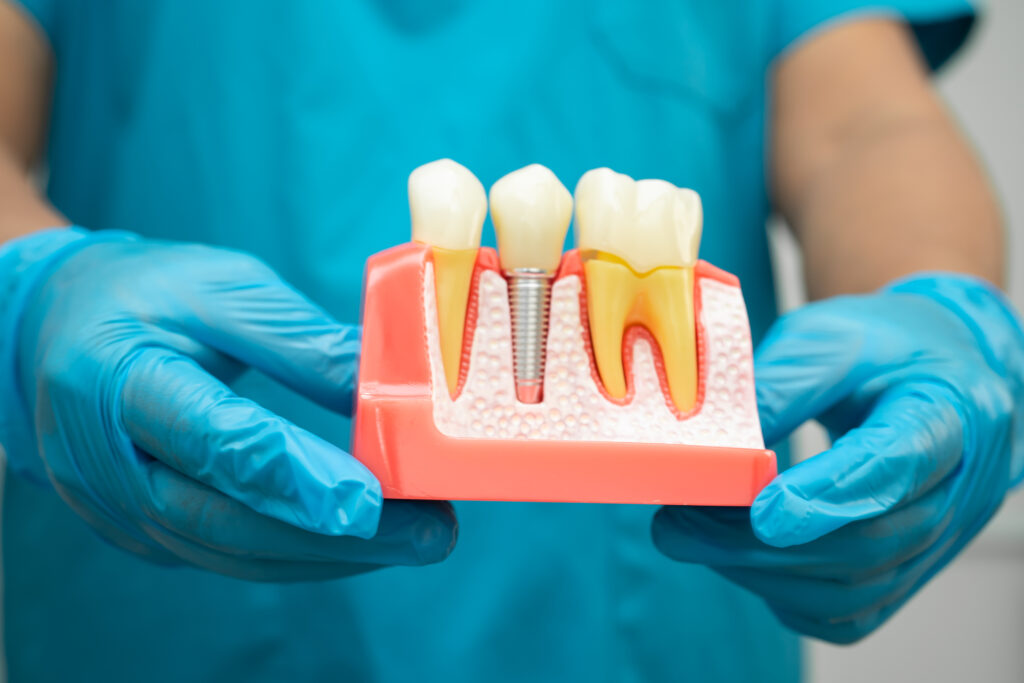
Dental implants are one of the most effective and long-lasting solutions for missing teeth. But before the implants can be placed, your jawbone must be strong and dense enough to support them. Without adequate bone density, implants may fail to integrate properly, leading to complications down the line. If you’re considering implants but have concerns about bone strength, this guide will help you understand how to boost bone density and prepare your mouth for a successful procedure.
Why Bone Density Matters for Dental Implants?
Dental implants are surgically placed into the jawbone, where they act as artificial tooth roots. Over time, they fuse with the bone in a process called osseointegration. This provides the stability needed for long-term results. However, without sufficient bone volume and density, the implant may not anchor properly.
Bone loss in the jaw is a common issue, especially among individuals who’ve had missing teeth for an extended time, suffer from gum disease, or have certain health conditions. Fortunately, there are steps you can take to improve bone density naturally and medically.
1. Eat a Bone-Healthy Diet
Nutrition plays a key role in maintaining and improving bone health. Your diet should include:
- Calcium-rich foods: Dairy products, leafy greens, almonds, and tofu are excellent sources.
- Vitamin D: It helps the body absorb calcium. You can get it through sun exposure, fatty fish, and fortified foods.
- Protein: Essential for bone repair and regeneration. Choose lean meats, beans, and legumes.
- Magnesium and phosphorus: Found in whole grains, seeds, and nuts, these minerals also support bone formation.
2. Incorporate Weight-Bearing Exercises
Regular physical activity, especially resistance and weight-bearing exercises, stimulates bone growth. Activities like walking, lifting weights, yoga, and resistance band training help strengthen both muscles and bones. For the jawbone specifically, exercises like chewing sugar-free gum may also help promote blood flow and stimulation to the area.
3. Stop Smoking and Limit Alcohol Intake
Smoking significantly reduces the blood supply to the gums and affects bone healing. It can also interfere with the body’s ability to absorb calcium. Similarly, excessive alcohol consumption can impair new bone formation and increase the risk of implant failure.
Quitting smoking and moderating alcohol use can drastically improve your oral and overall health, leading to better outcomes for dental implants.
4. Consider Bone Grafting if Needed
Sometimes, despite your best efforts, your bone density may still not meet the requirements for implant placement. In such cases, a bone graft may be recommended. This procedure involves transplanting bone tissue (either from your own body or a synthetic material) to the implant site to stimulate new bone growth.
If you’re exploring options for dental implants in Twin Falls, and your dentist finds insufficient bone structure during your consultation, they might discuss bone grafting as a first step in your treatment plan.
5. Take Prescribed Supplements (If Advised)
If dietary changes aren’t enough, your dentist or physician may suggest calcium or vitamin D supplements. These are especially useful for older adults, people with medical conditions like osteoporosis, or individuals who don’t get enough nutrients from food alone.
However, you should only take supplements after consulting a healthcare provider, as improper use can lead to other complications.
Conclusion
Improving bone density is an important part of the preparation process for dental implants. With the right diet, lifestyle changes, and medical interventions when necessary, you can build a stronger foundation for your new smile.
If you’re ready to explore your options for dental implants, or if you’re concerned about your jawbone health, visit Green Acres Family Dentistry Twin Falls today. Our experienced team will guide you through every step, from consultation to final restoration. Contact us today to schedule your consultation!