
A beautiful smile is often seen as a symbol of confidence and good health. However, when it comes to achieving that perfect smile, several types of dental treatments are available, each addressing different concerns. Two commonly discussed branches of dental care are aesthetic and cosmetic dentistry. Although they may sound similar, their distinct differences set them apart. Understanding these differences can help you make more informed decisions about your dental care and the procedures that best suit your needs.
What is Cosmetic Dentistry?
Cosmetic dentistry focuses on improving the appearance of your teeth, gums, and overall smile. The goal is to enhance the aesthetic appeal, symmetry, and color of your teeth. Many cosmetic dental procedures address common concerns such as discoloration, gaps, misalignment, and misshaped teeth. While cosmetic dental treatments can improve oral functionality in some cases, the primary aim is visual improvement.
Common cosmetic dental treatments include:
- Teeth Whitening: One of the most popular cosmetic dental procedures, teeth whitening involves bleaching the teeth to remove stains and discoloration. Many people opt for this treatment to achieve a brighter, whiter smile.
- Veneers: These are thin porcelain or composite resin shells that are placed over the front of your teeth. Veneers can correct various imperfections such as chipped, misshaped, or discolored teeth.
- Dental Bonding: In this procedure, a tooth-colored resin is applied to the teeth and hardened with a special light, which bonds the material to the tooth to improve its appearance.
- Inlays and Onlays: These are restorations used for damaged or decayed teeth. Inlays fit inside the tooth while onlays extend over the cusps of the teeth. They are designed to restore the natural look of your teeth.
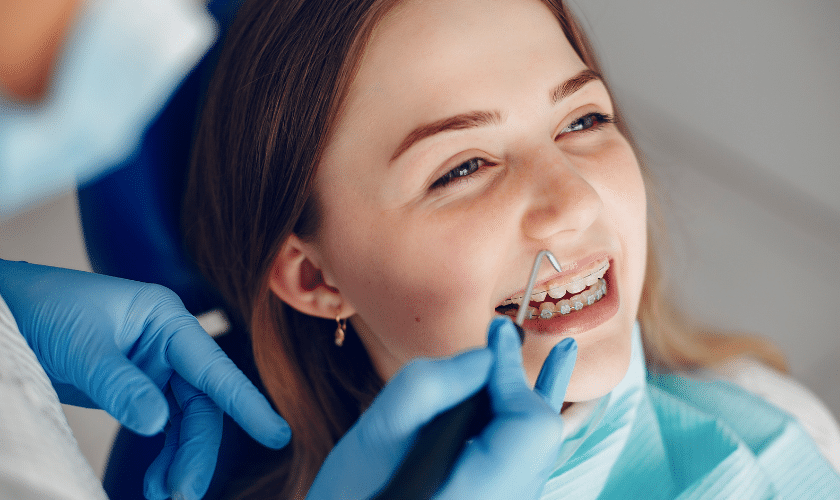
- Orthodontics (Braces and Aligners): While braces and clear aligners like Invisalign are primarily known for correcting misalignments and bite issues, they are also classified as cosmetic dental treatments since they enhance the appearance of the smile.
Cosmetic dental procedures are often elective, meaning they are chosen for aesthetic improvement rather than for urgent dental health reasons. However, they can have a significant impact on a person’s confidence and social interactions.
What is Aesthetic Dentistry?
Aesthetic dentistry goes beyond just improving the appearance of your teeth; it focuses on creating a smile that is natural-looking and in harmony with your facial features. While cosmetic dentistry can sometimes result in an artificial or overly perfected smile, aesthetic dentistry strives to enhance your appearance subtly and naturally.
Aesthetic dentists not only consider the teeth but also take into account your lips, gums, and facial structure to create a balanced and harmonious look. The goal is not just to improve individual teeth but to create an overall appearance that complements your natural features.
Common aesthetic dentistry procedures include:
- Smile Design: Aesthetic dentists often use smile design techniques to ensure that the shape, size, and alignment of your teeth fit perfectly with the contours of your face. They take a holistic approach to create a cohesive look that enhances your natural beauty.
- Natural Shading and Coloring: While teeth whitening is a part of aesthetic dentistry, the focus is on achieving a shade that looks natural, as opposed to a uniformly bright white that may not suit every face. The color of veneers and crowns is often customized to match the natural shade of the patient’s teeth.
- Gum Contouring: Aesthetic dentistry may involve reshaping or sculpting the gums to create a more symmetrical appearance. This procedure can help correct a “gummy smile” where excess gum tissue shows when a person smiles.
- Restorations with Aesthetic Focus: Procedures such as crowns, bridges, and implants are often designed with an aesthetic approach, ensuring that they blend seamlessly with the surrounding teeth. The materials used in aesthetic dentistry, like porcelain or zirconia, are often chosen for their natural appearance.
Key Differences Between Aesthetic and Cosmetic Dentistry
While the terms “aesthetic” and “cosmetic” are often used interchangeably, they have fundamental differences:
1. The focus of Treatment:
The primary difference between the two is the focus of the treatment. Cosmetic dental procedures aim to improve the appearance of the teeth alone. Aesthetic dentistry, on the other hand, looks at the whole picture, taking into account your face, jawline, and even your personality to create a smile that looks natural and harmonious.
2. Approach to Design:
Cosmetic dentistry tends to focus on perfection. Teeth are often made to look symmetrical, bright, and flawless. Aesthetic dentistry focuses on enhancing what is naturally beautiful. The approach in aesthetic dentistry is to maintain the patient’s unique look while improving the smile subtly.
3. Materials Used:
In both cosmetic and aesthetic dentistry, high-quality materials are used, but the materials in aesthetic dentistry are often selected for their ability to mimic natural teeth. Cosmetic procedures may use whiter or more uniform materials that can give a flawless but sometimes less natural appearance.
4. Treatment Goal:
Cosmetic dental procedures aim to improve the visual appeal of the teeth, while aesthetic dentistry aims to create an overall effect that enhances the person’s entire appearance. An aesthetic dentist considers how the teeth will complement the patient’s face and smile, making adjustments that go beyond just straightening or whitening the teeth.
5. Customization:
Aesthetic dentistry often involves a higher level of customization. The dentist may use advanced imaging techniques and digital tools to design a smile that is tailored to your face and features. Cosmetic dentistry is often more standardized, focusing on improving the specific issues of the teeth without as much emphasis on customization.
Both aesthetic and cosmetic dental procedures can dramatically improve your smile, but they do so in different ways. Cosmetic dental treatments focus on perfecting the appearance of your teeth, while aesthetic dentistry strives to create a smile that enhances your natural features and complements your overall look.
Whether you choose cosmetic or aesthetic dentistry, it’s important to consult with a dentist who understands your goals and can recommend the best treatments for your unique needs. By doing so, you can achieve a smile that not only looks great but also feels natural and enhances your confidence in everyday life.