
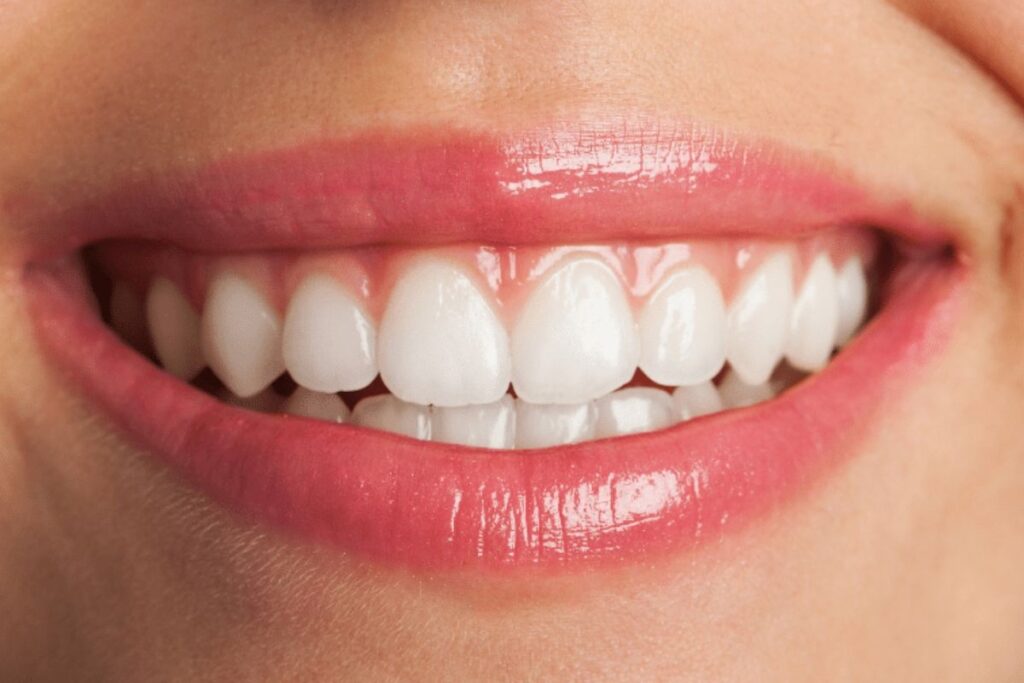
A small chip, noticeable gap, uneven tooth shape, or stubborn discoloration can change the way you feel about your smile. Fortunately, fixing these concerns doesn’t always require extensive dental work. Dental bonding is one option dentists may use to repair minor tooth damage or make subtle cosmetic improvements using tooth-colored composite resin.
Bonding is often completed in a single appointment and typically requires little alteration to the natural tooth. It can be useful for concerns such as chipped teeth, small gaps, worn edges, discoloration, and changes in tooth shape. But it’s not the right solution for every situation.
If you’re considering dental bonding, here’s what to know about how it works, what it can and can’t do, how long it may last, and how to take care of it afterward.
WHAT IS DENTAL BONDING?
Dental bonding is a procedure in which a dentist applies a tooth-colored composite resin to a tooth and shapes it to improve its appearance or restore a small amount of missing tooth structure.
The resin starts as a moldable material. After it has been shaped and matched to the surrounding teeth, a curing light hardens it. The dentist then trims and polishes the material so it blends naturally with the tooth.
Bonding is sometimes called composite bonding or teeth bonding. It can be used for cosmetic improvements as well as certain minor restorative needs.
One reason patients consider bonding is that it can often accomplish a relatively small change without the more extensive tooth preparation associated with some other restorations.
What Can Dental Bonding Fix?
Dental bonding can be useful when the problem is relatively minor and the underlying tooth is healthy enough for the treatment.
Depending on your individual situation, bonding may be considered for:
- Small chips or worn edges
- Minor cracks or imperfections
- Small spaces or gaps between teeth
- Certain types of tooth discoloration
- Teeth that appear slightly too short
- Minor changes to tooth shape or contour
- Some areas of tooth decay
- Small areas of exposed tooth structure caused by gum recession
For example, a person with a small chip on a front tooth may be able to have the missing portion rebuilt with composite resin. Someone with a small gap between otherwise healthy teeth may also be a candidate for bonding.
The important point is that the cause and extent of the problem matter. A chipped tooth caused by significant trauma, a deep crack, or a weakened tooth may require a different treatment.
HOW IS IT DONE?
PREPARING
You do not have to prepare for dental bonding early. Typically, there is no requirement for anesthesia unless the bonding is getting used as a tooth filling where your tooth requires reshaping & the chip is near the nerve.
BONDING
The dentist will rough up the surface of a tooth to make the bonding material stick properly. Then a conditioning liquid is applied to help in the process. Then the dentist will bring a shade manual to choose a color that nearly matches your teeth.
Next, the tooth-colored resin will be applied, set, and filed. Then the teeth will be exposed to a bright light to solidify the resin. When the resin gets set, the dentist will cut, shape, and polish the resin to match the other natural teeth. The process whole process usually takes between 30 and 60 minutes per tooth.
AFTERCARE
Since dental bonding can get stained and chipped much easier than the other cosmetic dentistry approach, you will have to be extra careful with them to uphold the bonded teeth.
Here are some tips:
- Brush at least twice daily
- Floss at least once daily
- Use mouthwashes at least once daily.
- Drink less tea, coffee, and red wine.
- Stop biting your nails, and chewing on objects like ice, pencils, and raw carrots.
- Avoid smoking
- When you notice that your teeth have sharp edges, visit our dental office.
Is Dental Bonding Painful?
Dental bonding is generally considered a well-tolerated procedure, and many cases don’t require anesthesia. However, whether anesthesia is appropriate depends on what is being treated and how much work is necessary.
If bonding is being used as part of treatment for decay or a damaged tooth, your dentist can explain what to expect before beginning.
Some people may experience temporary sensitivity afterward, but there is typically no extended recovery period.
HOW LONG DOES DENTAL BONDING LAST?
This is one of the most common questions patients have, and there isn’t one number that applies to everyone.
Dental bonding can last for several years, but its lifespan depends on factors such as:
- Where the bonding is located
- How much biting or chewing force it receives
- Oral hygiene
- Eating and drinking habits
- Teeth grinding or clenching
- Habits such as nail biting or chewing on hard objects
- The size and type of restoration
Current clinical guidance notes that bonding generally doesn’t last as long as more durable options such as porcelain veneers or crowns and may need touch-ups over time. Cleveland Clinic notes that bonding may require touch-ups approximately every three to 10 years, although individual experiences vary.
So rather than thinking of bonding as a permanent fix, it’s better to view it as a conservative restoration that may eventually need repair, replacement or maintenance.
Can Dental Bonding Stain?
Yes. Composite bonding is somewhat stain-resistant, but it generally doesn’t resist staining as well as porcelain.
Coffee, tea, red wine, tobacco and other sources of staining can affect the appearance of bonded areas over time.
There’s another reason to discuss tooth color with your dentist before treatment: if you’re considering whitening, it may make sense to discuss whitening first. The shade of composite resin is selected to match your teeth, and existing bonding doesn’t whiten in the same way natural tooth structure does.
Your dentist can help you decide the best order of treatment based on your goals.
How Should You Care for Bonded Teeth?
Bonded teeth don’t require a complicated maintenance routine. Good everyday oral hygiene remains the foundation.
To help protect your bonding:
- Brush twice a day with fluoride toothpaste.
- Clean between your teeth daily.
- Keep up with regular dental examinations and cleanings.
- Avoid biting fingernails, pens, ice or other hard objects.
- Don’t use your teeth to open packages.
- Limit habits that can contribute to staining if maintaining the appearance of your bonding is important to you.
- Tell your dentist if a bonded tooth feels rough, sharp or different when you bite.
These habits matter because composite resin can chip, particularly when exposed to unnecessary force.
If a bonded area does chip, don’t automatically assume the entire restoration needs to be replaced. Depending on the damage, a dentist may be able to repair or reshape it.
Is Dental Bonding Right for You?
Bonding can be a good option when you want to make a relatively small change while preserving as much natural tooth structure as possible.
It may be worth discussing if you have:
- A minor chip
- A small gap
- A slightly uneven tooth
- A worn tooth edge
- Certain types of discoloration
- A small cosmetic imperfection you’d like to improve
However, bonding isn’t automatically the best treatment for every cosmetic concern.
For example, a severely damaged or weakened tooth may need a restoration that provides more coverage and protection. A larger gap may require orthodontic treatment rather than simply adding material to the teeth. And widespread discoloration may be better addressed with whitening, veneers or another approach depending on the cause.
That’s why an examination is important before choosing a cosmetic treatment.
Dental Bonding vs. Veneers: What’s the Difference?
Both bonding and veneers can improve the appearance of teeth, but they’re quite different treatments.
Dental bonding uses composite resin that is applied directly to the tooth and shaped by the dentist. It generally requires little or no significant enamel removal and can often be completed in one visit.
Porcelain veneers are custom-made shells that are bonded to the front surfaces of teeth. They generally require more preparation and are a longer-term, more involved cosmetic treatment.
Neither option is automatically “better.” The right choice depends on the condition of your teeth, the size of the change you’re looking for, your budget, and your expectations for longevity and maintenance.
What If You Have a Chipped Tooth?
A chipped tooth doesn’t always mean you need bonding.
Small chips may sometimes require only smoothing or polishing. Other chips can be repaired with bonding, while larger fractures may require a filling, veneer, crown or other treatment. If the damage reaches the inner portion of the tooth, root canal treatment may be necessary.
If you’ve recently chipped a tooth—especially after an injury—it’s worth having it examined rather than assuming it’s only a cosmetic issue.
Seek dental care promptly if you have significant pain, sensitivity, swelling, bleeding, or a tooth that feels loose or unusually sensitive after an injury.
Dental Bonding in Twin Falls, ID
If you’re considering dental bonding in Twin Falls, the first step is an evaluation of your teeth and your goals.
At Green Acres Family Dentistry(opens in new tab), the dental bonding service is designed to address cosmetic concerns and minor damaged tooth structure using tooth-colored composite resin.
You can learn more about the treatment, including what bonding may be used to address, on the practice’s Dental Bonding service page.
Frequently Asked Questions About Dental Bonding
How long does dental bonding take?
Many bonding treatments can be completed during one dental appointment. The exact time depends on the number of teeth being treated and the amount of shaping required.
Does dental bonding look natural?
Yes. Composite resin can be matched to the shade of your teeth and shaped to follow their natural contours. The final appearance depends on factors such as tooth color, placement, the amount of resin used and the dentist’s finishing and polishing.
Can bonding close a gap between teeth?
Bonding can sometimes close a small gap between otherwise healthy teeth. Larger or more complex spaces may be better addressed with orthodontic treatment or another cosmetic option.
Can dental bonding fix a chipped tooth?
Yes, bonding is commonly used to repair minor chips and rebuild small areas of missing tooth structure. Larger or deeper fractures may require a different treatment.
Does dental bonding damage your natural teeth?
Bonding generally requires little or no significant enamel removal, making it a relatively conservative cosmetic option. However, whether it’s appropriate depends on the condition of your tooth and your overall oral health.
Can bonded teeth be whitened?
Whitening products lighten natural tooth structure, but existing composite bonding doesn’t whiten in the same way. If you’re considering both treatments, ask your dentist about the best sequence before having the bonding placed.
What happens if dental bonding chips?
Contact your dentist for an evaluation. Depending on the location and extent of the damage, the bonding may be repairable or may need to be replaced.
Conclusion
Dental bonding is a conservative way to improve or repair certain teeth using tooth-colored composite resin. It can be useful for minor chips, small gaps, worn edges, some discoloration and subtle changes in tooth shape. It’s also typically quicker and less involved than some other cosmetic treatments.
At the same time, bonding isn’t a universal solution. The condition of the tooth, the cause of the problem and the result you’re hoping to achieve all matter. A dental examination can help determine whether bonding makes sense or whether another treatment would give you a better long-term result.