
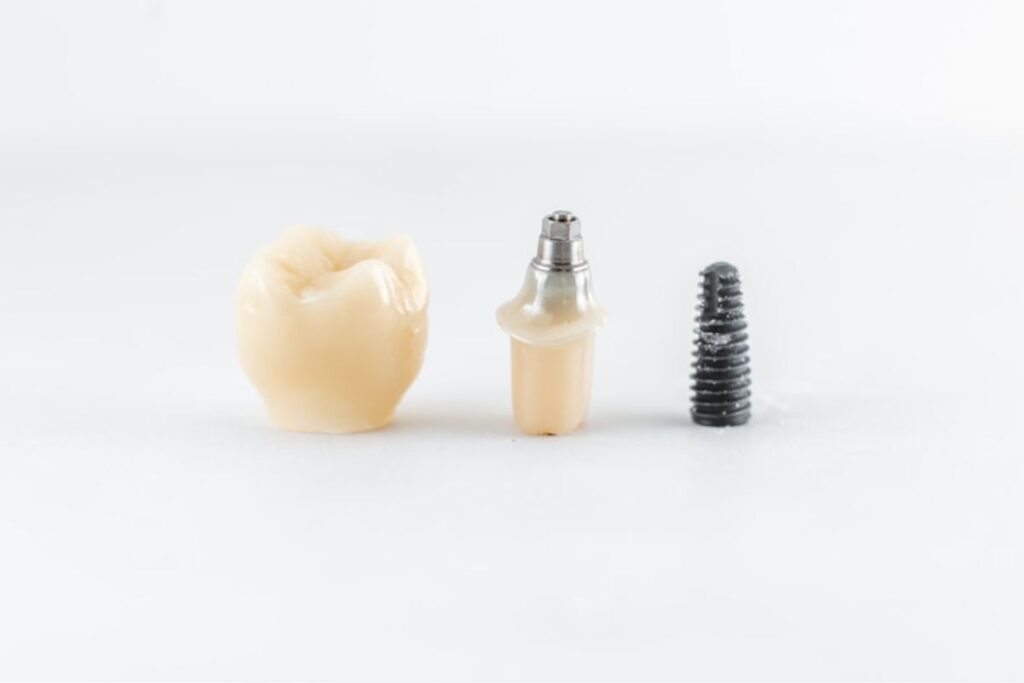
Dental implants are a reliable and long-term solution for missing teeth, but like any dental restoration, they are not indestructible. While uncommon, dental implant damage can occur due to factors like excessive force, poor osseointegration, or implant material fatigue. In Twin Falls, specialists diagnose and repair broken dental implants to restore your smile and oral function effectively.
Common Causes of Broken Dental Implants
Understanding what causes dental implant failure can help prevent complications. Some of the most common reasons include:
- Excessive Force or Trauma: Accidents, teeth grinding (bruxism), or biting down on hard foods can put undue pressure on the implant.
- Improper Placement: Poor implant positioning can lead to stress fractures or inadequate integration with the jawbone.
- Osseointegration Failure: If the implant doesn’t fully integrate with the jawbone, it may become loose or fractured over time.
- Material Wear and Tear: Though implants are durable materials like titanium or zirconia, long-term wear can lead to fractures.
- Infection (Peri-implantitis): Gum infections around the implant can weaken its stability, leading to failure.
Steps in the Repair Process
If you experience discomfort, mobility, or a broken dental implant, seeking prompt treatment is crucial. In Twin Falls, dental professionals follow a structured approach to repair or replace the dental implant as needed.
1. Comprehensive Evaluation
The first step in repairing a broken dental implant is a thorough examination. The condition of the implant, surrounding bone, and gum tissue is assessed using advanced imaging technology to determine whether a minor repair or complete replacement is necessary.
2. Addressing the Issue
- Crown Replacement: If only the dental crown (the visible portion of the implant) is damaged, it can often be replaced without affecting the implant post.
- Abutment Repair or Replacement: If the abutment (the connector piece) is broken, it may need to be replaced with a new one.
- Implant Removal and Replacement: In severe cases, such as implant fractures or failed osseointegration, the implant may need to be removed and replaced after healing.
- Bone Grafting (If Needed): If bone loss occurs around the implant site, a bone graft may be necessary before placing a new implant.
3. Restoring Function and Aesthetics
Once repairs are complete, the new implant or restoration is ensured to fit seamlessly with natural teeth. Guidance is also provided on how to care for implants to prevent future issues.
Preventing Future Implant Damage
To extend the lifespan of your dental implants, consider the following tips:
- Maintain excellent oral hygiene with regular brushing and flossing.
- Visit a professional dentist in Twin Falls for routine check-ups and professional cleanings.
- Wear a nightguard if you grind your teeth to protect against excessive force.
- Avoid chewing on complex objects like ice, pens, or tough foods.
Contact Us for Expert Implant Repairs in Twin Falls
If you have a damaged or loose dental implant, don’t wait for the problem to worsen. In Twin Falls, experienced dental professionals can assess and repair dental implants with precision and care. Contact us today to schedule an appointment and restore your confident smile!