
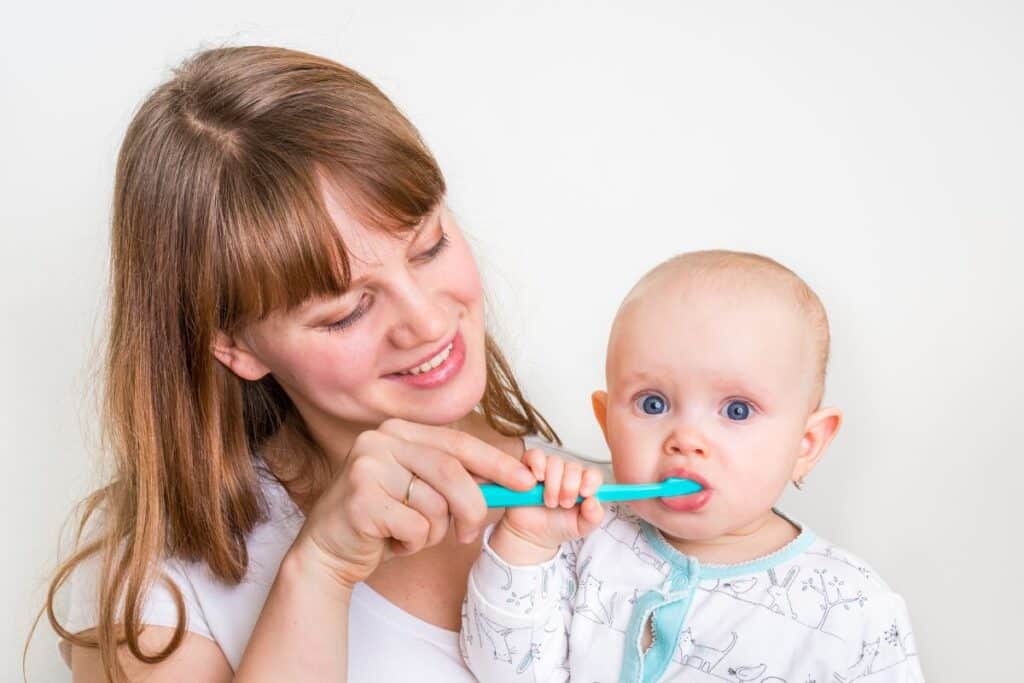
Starting healthy habits early is key to ensuring your baby’s lifelong dental health. Many parents might not realize that dental care should start even before a baby’s first tooth emerges. Establishing good dental practices from infancy can help prevent future dental problems and make visits to the pediatric dentist a breeze. In this article, we’ll explore essential dental care for babies, offering you a guide on how to care for those little teeth and gums from day one!
Why Dental Care Is Important for Babies?
Early dental care helps in preventing cavities and tooth decay, conditions that can impact your child’s health and development. As baby teeth act as placeholders for permanent teeth, maintaining their health is critical for ensuring proper alignment and a healthy oral foundation.
When Should You Start Dental Care for Babies?
You don’t need to wait for teeth to appear! Start cleaning your baby’s gums right after birth to remove any harmful bacteria. Once their first tooth erupts, typically around six months, it’s time to introduce a baby toothbrush.
Essential Steps for Baby Dental Care
-
Clean the Gums Before Teething Begins
- Gently wipe your baby’s gums twice a day with a soft, damp cloth to keep the mouth clean.
-
Introduce a Baby Toothbrush
- Use a small, soft-bristled toothbrush as soon as the first tooth comes in, usually between 6 to 12 months.
-
Use Fluoride Toothpaste
- A small smear of fluoride toothpaste is safe once the first tooth appears. Fluoride strengthens enamel and fights decay.
-
Make Brushing Routine Fun
- Sing songs or use toys to make brushing enjoyable, setting a positive association with daily dental care.
Importance of Visiting a Pediatric Dentist
A pediatric dentist specializes in caring for children’s teeth and can guide you on proper care techniques as your baby’s teeth develop. Schedule a first dental visit when the first tooth appears or by their first birthday. Regular check-ups allow the dentist to monitor tooth development, detect early issues, and provide preventive care.
Common Dental Issues in Babies
-
Teething Discomfort
- Teething can make babies fussy. Use a cool teething ring to soothe gums and provide comfort.
-
Baby Bottle Tooth Decay
- Avoid putting your baby to bed with a bottle of milk or juice to prevent decay. Water is a safer alternative if your baby needs a nighttime bottle.
-
Thumb Sucking and Pacifier Use
- Prolonged thumb sucking or pacifier use can affect dental alignment. Speak with your pediatric dentist about weaning strategies if these habits continue past the age of two.
Maintaining Baby’s Oral Health: Key Tips
- Limit Sugary Drinks: Avoid sugary juices to prevent early decay.
- Choose a Kid-Friendly Toothbrush: Fun designs can make brushing more appealing.
- Set a Good Example: Babies learn by watching, so let them see you brush and care for your teeth too.
Conclusion
Establishing a dental care routine early on sets your baby up for a lifetime of healthy smiles. Cleaning gums, brushing tiny teeth, and regular check-ups with a pediatric dentist are simple steps with lasting benefits. By prioritizing your baby’s oral health now, you can help prevent future dental issues and make dental visits a positive experience. Remember, a healthy smile starts from day one!